

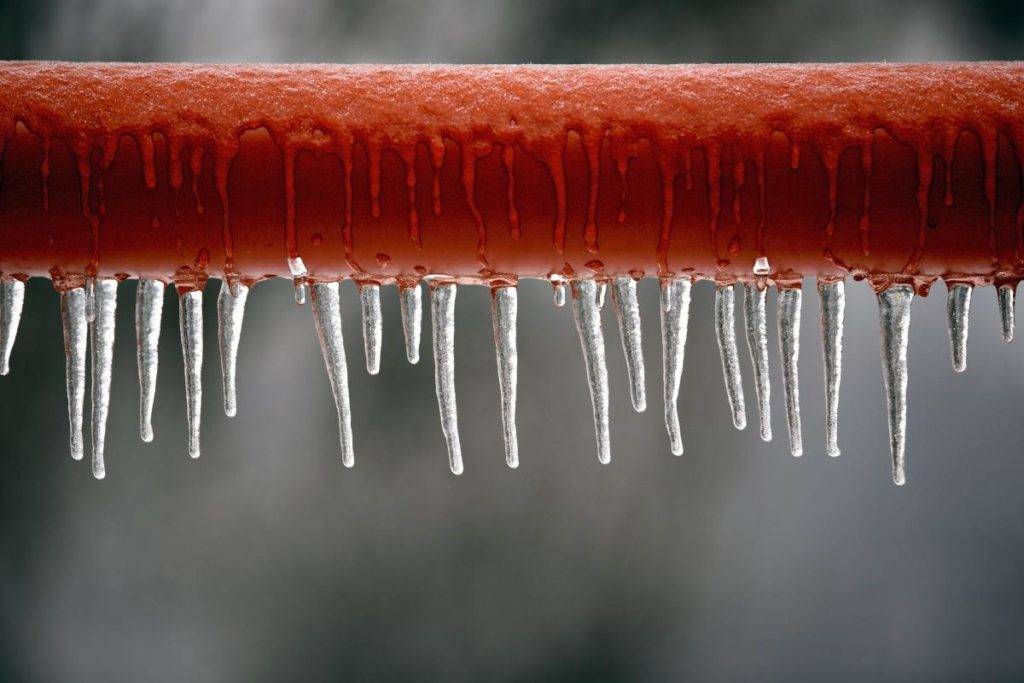
When cold weather hits, pipes freezing and bursting is a very real possibility – not to mention a concerning and expensive one. Without the proper preventive measures taken, ruptured pipes can do a lot of damage to a property, costing homeowners at least $5000 in repairs.
It helps a little if you know how to look for the best emergency plumber, since they should be able to handle replacing your pipes as soon as possible after they’ve burst – barring other customers with the same problem. But it would help even more if you didn’t have to deal with burst or frozen pipes in the first place.
That said, here are some of the best tips to help keep pipes from freezing when temperatures drop.
Move Exposed Pipes
Does your plumbing system have any pipes that are outdoors or in an otherwise unprotected area? If so, it’s in your best interest to move them. Don’t attempt to turn this into a DIY project, though; make sure you get a professional plumber to help you relocate those exposed pipes.
That relocation project would be a good time to make sure any cracked pipes are repaired or replaced, too, as cracked pipes will let more cold air in; then it will be easier for those pipes to freeze.
Insulate Your Pipes
This is especially helpful in protecting pipes in unheated areas of your house – the garage or the basement, for example. Not only will insulation keep pipes from freezing, but it will also help prevent hot water from cooling as it goes from the water tank to your faucets, which can then help you save a little money on heating costs.
Seal Crawl Spaces
If cold air can get into a space, any pipes there are at risk of freezing. So if you have a crawl space or two in your house, then it’s best to seal them so air can’t get in. This may be a minor inconvenience, especially if you later have a plumber come over and they need to access the pipes in that space. However, that’s a small price to pay compared to how much you’d be shelling out to repair the damage from a burst pipe.
Keep A Tap Dripping
We understand the need to lessen your water usage, but if you want to keep your pipes from freezing, having a tap open even to just a relatively slow drip will be a big help in two ways. First, water won’t freeze as easily if it’s running, so even a slow drip will be enough. Second, if there’s a drop in water pressure, you’ll be able to tell thanks to the tap you left open.
Open Interior Doors
Keeping doors open – including bathroom doors – will help ensure that heat circulates your home freely. Besides manually setting your thermostat to a certain temperature, keeping interior doors open is another way to consistently keep all rooms at roughly the same temperature, therefore adding another layer of protection against pipes freezing.
