

Archive

February 25, 2023

Browsing

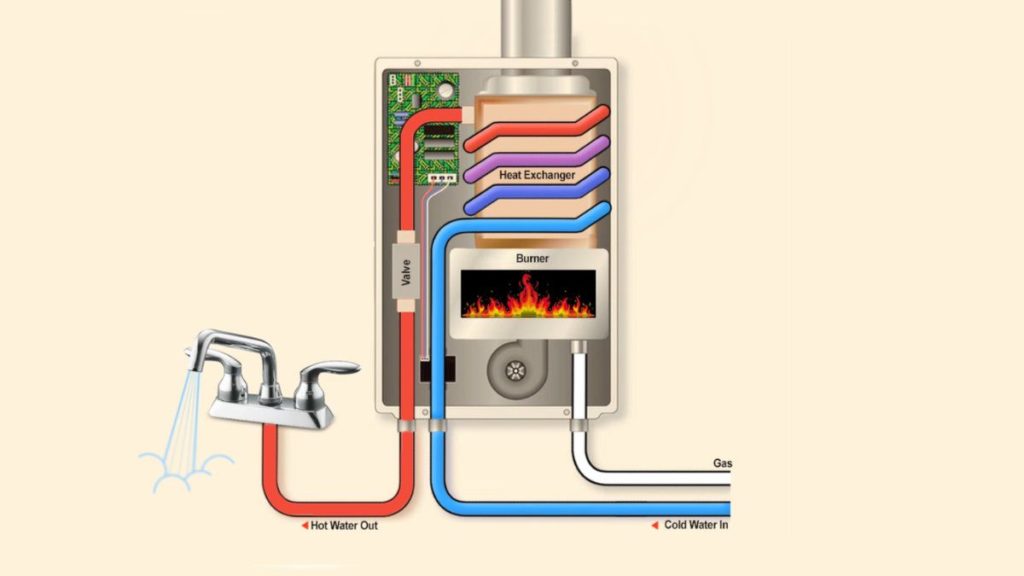
Any homeowners that are currently using a tank storage water heating system or are thinking about changing the type of hot water system they use should consider getting an instantaneous hot water system. Commonly known as continuous flow systems, instantaneous hot water systems have unsurprisingly become very popular, offering users an unlimited supply of hot water. However, some homeowners may find that one of these systems is not suitable for their home. There are many factors that customers should take into consideration when thinking about getting an instant water heater for their household, some of which are detailed below. 

 Capacity

If you’re wondering if you should get a continuous flow system, it’s important to consider if the water flow rate is able to support the hot water demands of your family. Instantaneous hot water systems usually have a flow rate of 10 to 32 litres per minute and therefore are better suited to smaller households, as the heating element is only able to service a few taps at any given time. Households that regularly have various people using showers at the same time, as well as having their dishwasher or washing machine using water, may find the water capacity of an instant system to be inadequate unless multiple systems are installed. Larger households should consider multiple instant hot water units to ensure an adequate amount of water is supplied for their bathrooms, kitchens and laundries. 

 Size

Instantaneous hot water systems are very popular due to their compact size. Standard sized hot water tank systems are usually one square metre long at the base, which takes up a lot of space. A continuous flow system, on the other hand, is a fraction of the size of a conventional hot water tank and can be discreetly installed in an area that not many guests will see, ensuring it won’t affect your home’s aesthetic appeal. 

 Minimum Energy Performance Standards Rating

Both tank and instantaneous hot water systems do not display an Energy Rating Label like other household appliances such as air conditioners or refrigerators do. Instead, they display a Minimum Energy Performance Standards (MEPS) rating that indicates the system’s maximum annual energy consumption performance level. Continuous flow systems that have a MEPS rating have been industry approved, as they use less energy and cost less to run over their lifetime. The aim of a MEPS rating is to ensure that systems with poor energy efficiency are kept off the market. A system with a MEPS rating is considered to be both energy-efficient and cost-efficient. 

 Rebates & Incentives 

Some states in Australia offer homeowners rebates and incentives that will help with supplementing the cost of getting a hot water system installed. The Australian Government currently offers the Small-Scale Renewable Energy Scheme (SRES) that offers rebates, discounts and special offers to both homeowners and business proprietors. Every state has its own conditions and rebates as far as the SRES is concerned, so it’s important to speak to a hot water system specialist in your state regarding what applies to you. 
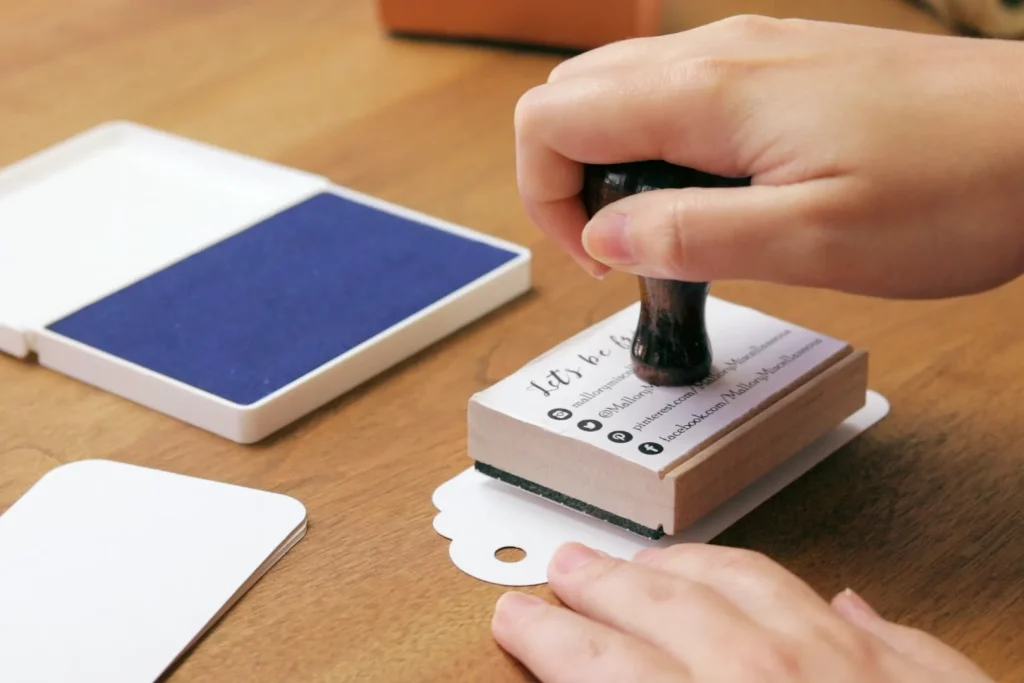
 

Self-inking stamps are stamps that have a built-in ink pad. When the stamp is pressed down, the pad rotates and inks the stamp, creating a clean, clear impression. The ink pad is usually located within the stamp, which eliminates the need for a separate ink pad and makes the stamp more convenient and easy to use. Self-inking stamps come in a variety of sizes, shapes, and colors, and can be customized to include text, images, logos, or other designs. They are commonly used in offices, businesses, and by individuals for a variety of purposes, including addressing envelopes, labeling documents, creating personalized cards and stationery, and more. Self-inking stamps are durable, efficient, and provide a quick and easy way to make a lasting impression.

Here are some tips to consider when purchasing a self-inking stamp:

  1. Determine the size you need. Make sure you select the right size for your needs. Self inking stamps come in a variety of sizes, and you want to make sure you select the right size for the impression you need.
  2. Consider the material of the stamp. Some stamps are made of rubber while others are made of plastic. Rubber stamps are more durable, but they can be more expensive than plastic stamps. If you plan to use the stamp frequently, it’s better to invest in a high-quality rubber stamp.
  3. Choose a stamp with a high-quality ink pad. The ink pad is an important component of the self-inking stamp, and it’s important to choose a stamp with a high-quality pad that provides consistent and long-lasting ink. Look for stamps with pads that are designed to resist drying out and provide a crisp, clean impression every time.
  4. Consider the customization options. Choose a self-inking stamp that allows for customization, especially if you plan to use it for business or personal branding purposes. Some companies offer a variety of customization options, including logos, text, and graphics.
  5. Look for reviews and recommendations. Do your research and read reviews from other customers who have purchased the same stamp. This will help you get a better sense of the quality and effectiveness of the stamp.
  6. Compare prices. Compare prices from different suppliers and companies to find the best deal. Keep in mind that quality is important, and it’s worth paying a little extra for a high-quality stamp that will last longer and provide a better impression.

By following these tips, you can find a high-quality self-inking stamp that meets your specific needs and provides consistent, long-lasting impressions.

How to Use a Self-Inking Stamp for Personal & Home Uses

Self-inking stamps can be used in many ways to save time and add a personal touch to a variety of personal and home tasks. Here are some tips for using a self-inking stamp for personal and home uses:

  1. Address Stamps: Use a self-inking address stamp to easily stamp your return address on envelopes and other mail. This will save you time and effort and give your mail a professional and polished look.
  2. Personalized Cards and Stationery: Use a self-inking stamp to add a personalized touch to your cards and stationery. You can create custom designs and messages to stamp onto cards and envelopes, making them unique and special.
  3. Books and Personal Property: Use a self-inking stamp to label your books and personal property with your name and contact information. This can be especially helpful if you frequently lend items to others or if you want to make sure that your belongings are returned if lost.
  4. Home Organization: Use a self-inking stamp to label and organize your home. You can stamp labels on containers, drawers, and other items to keep your home organized and easy to navigate.
  5. Event Planning: Use a self-inking stamp to create custom event invitations, save-the-dates, and RSVP cards. This will give your event a personal touch and help to create a cohesive theme throughout.
  6. Gift Tags and Wrapping: Use a self-inking stamp to create custom gift tags and wrapping paper. This can be a fun and creative way to add a personal touch to your gifts and make them stand out.

Overall, self-inking stamps can be a useful and creative tool for personal and home uses. With a little bit of imagination, you can use your stamp to add a personal touch to a variety of tasks and projects.