


Archive

March 2024

Browsing

Back pain is one of the most common health issues that people experience, affecting millions of individuals worldwide. It can be caused by various factors such as poor posture, muscle strain, injury, or underlying medical conditions. Regardless of the cause, back pain can greatly impact a person’s quality of life, making it difficult to perform daily tasks and activities.

Fortunately, numerous back pain relief methods are available today. Some of these options include medication, physical therapy, chiropractic care, acupuncture, and spinal decompression therapy. In this article, we will compare spinal decompression chairs to other back pain relief methods to determine which one is more effective for treating back pain.

Understanding Spinal Decompression Therapy

Spinal decompression therapy is a non-surgical method that aims to alleviate back pain by relieving pressure on the spinal discs. It involves stretching the spine using a spinal decompression chair, which helps to create space between the vertebrae and allows nutrients and oxygen to flow into the affected area. This process can help to reduce inflammation, promote healing, and relieve pain.

The Effectiveness of Spinal Decompression Chairs

Many people have found relief from back pain by using spinal decompression chairs. These chairs come in different designs but generally work by gently stretching and decompressing the spine. This therapy has been shown to be effective in treating various back conditions, such as herniated discs, bulging discs, sciatica, and degenerative disc disease.

A study showed that spinal decompression therapy significantly reduced pain intensity and improved functional ability in patients with chronic lower back pain. Furthermore, there are a number of benefits of spinal decompression over other back pain relief methods.

These include:

  • Non-invasive: Unlike surgery, spinal decompression therapy does not involve any incisions or injections, making it a safer option for those who want to avoid invasive procedures.
  • Targeted Therapy: Spinal decompression chairs can be adjusted to target specific areas of the spine, providing more accurate and effective treatment.
  • Safe for Most Individuals: Since spinal decompression therapy is non-invasive, it can be used by people of all ages and health conditions.
  • No Side Effects: Unlike medication or injections, spinal decompression therapy does not have any known side effects. This makes it a more desirable option for those who want to avoid potential risks and complications.

While there is no doubt that spinal decompression chairs can be an effective and safe option for treating back pain, but it is always best to consult with a healthcare professional before starting any new treatment. Additionally, some individuals may find that a combination of different back pain relief methods works best for them.

Effectiveness of Other Back Pain Relief Methods

As mentioned earlier, there are various back pain relief methods available besides spinal decompression chairs. However, understanding the safety and efficacy of spinal decompression can also help us better understand the effectiveness of other methods.

  • Medication: Over-the-counter painkillers and muscle relaxants may provide temporary relief from back pain, but they do not address the underlying cause and can have potential side effects.
  • Physical Therapy: This involves exercises, stretches, and manual therapy techniques to improve strength, flexibility, and mobility. It can be effective in treating some back conditions, but it may not provide long-term relief for all individuals.
  • Chiropractic Care: This involves manipulating the spine to improve alignment and reduce pain. While many people have found relief from chiropractic adjustments, there is limited scientific evidence to support their effectiveness.
  • Acupuncture: This traditional Chinese medicine technique involves inserting thin needles into specific points in the body to stimulate healing and pain relief. Some studies have shown it to be effective for back pain, but more research is needed.

Overall, each back pain relief method has its own benefits and limitations. What works for one individual may not work for another, as every person’s body and condition is unique.

Conclusion

We hope this comprehensive review has helped you understand the effectiveness of spinal decompression chairs compared to other back pain relief methods. While spinal decompression therapy has shown to be effective for many individuals, it is always best to consult with a healthcare professional before starting any new treatment. Additionally, finding the right combination of methods may provide the best results in managing back pain and improving overall quality of life. Remember to always listen to your body and choose the treatment that works best for you. So, keep exploring different options until you find the one that helps you live a pain-free life!

Search Engine Optimization (SEO) has been a crucial factor in determining the success of any website. With the constant evolution of search engines and their algorithms, it is essential for businesses to keep up with the best practices to stay ahead in the game. As we approach 2024, here are some SEO best practices that will help you stay on top of your SEO game.

Optimize for Mobile

With the majority of internet users accessing websites through their mobile devices, it is crucial to have a mobile-friendly website. Google has also started using mobile-first indexing, which means they use the mobile version of a website for indexing and ranking. Make sure your website is responsive and provides a seamless user experience on all devices to improve your search engine ranking. Hiring a SEO company in Atlanta can help you with mobile optimization and in other SEO practices.

Quality Content is Still King

While there are many SEO techniques and strategies out there, quality content remains the most crucial factor in ranking higher on search engines. With Google’s focus on providing users with relevant and valuable content, it is essential to create high-quality content that aligns with your target audience’s search intent. Make sure your content is well-written.

Focus on User Intent

Search engines are becoming more sophisticated in understanding user intent and providing relevant results. As a result, it is important to focus on creating content that caters to the specific needs of your target audience. Conduct keyword research and use long-tail keywords that align with the intent of your target audience. This will not only improve your search engine ranking but also drive more qualified traffic to your website.

Improve Page Speed

Page speed is a critical factor in SEO as it directly affects user experience and bounce rates. It has been proven that even a one-second delay in page loading time can lead to a significant drop in conversions. To optimize page speed, minimize the size of your images, use browser caching, and enable compression. You can also use Google’s Page Speed Insights tool to identify areas for improvement.

Utilize Social Media

Social media has become an integral part of SEO as search engines consider social signals as a factor in their ranking algorithms. Create and share engaging content on social media platforms to improve your online presence and drive traffic to your website. This will also help in building brand awareness and credibility.

Implement Structured Data

Structured data, also known as schema markup, is a way of organizing the content on your website to make it more understandable for search engines. It helps to provide additional context to your content, which can improve your chances of appearing in featured snippets or rich results. This can lead to higher click-through rates and improved search engine ranking.

Focus on Quality Backlinks

Backlinks continue to be an important factor in SEO, but it is crucial to focus on quality over quantity. Aim for backlinks from authoritative and relevant websites, as they have a more significant impact on your search engine ranking. You can also try guest blogging or building relationships with influencers in your industry to gain valuable backlinks. It’s also important to choose the right SEO company that will help you get quality backlinks and every other possible means to increase your website’s online presence.

Conclusion

As we move towards 2024, following these SEO best practices will help your website stay ahead of the game. Keep up with the latest updates and changes in search engine algorithms and make necessary adjustments to your SEO strategy accordingly. With the right techniques and strategies, your website can rank higher on search engines and drive more organic traffic, ultimately leading to increased conversions and business growth.

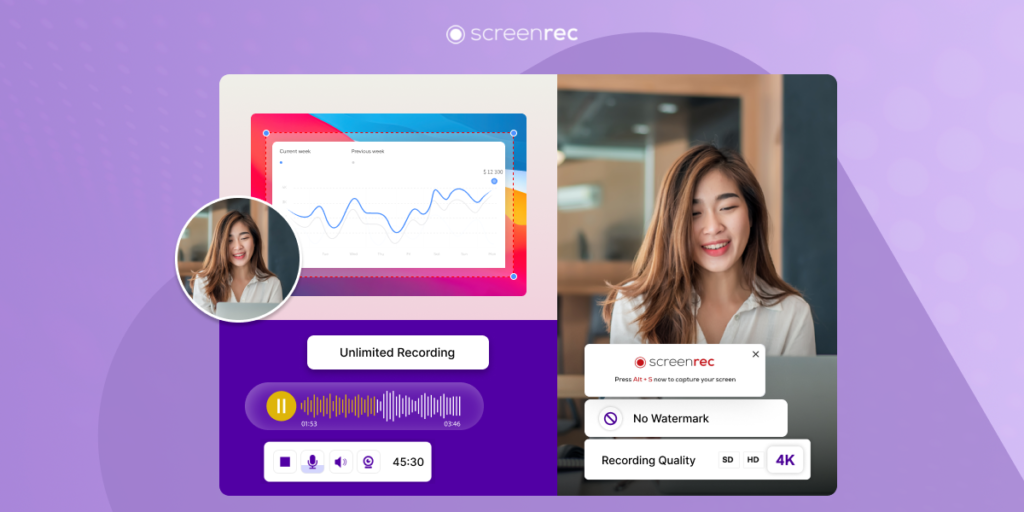
In today’s digital age, screen recording has become an essential tool for various purposes, from creating tutorials and demonstrations to capturing memorable moments in gaming and video calls. However, many screen recording software options come with limitations, such as time constraints on recording sessions. Fortunately, several screen recording tools offer unlimited recording time, empowering users to capture content without worrying about interruptions. In this article, we’ll explore 5 of the best grabadores de pantalla para PC gratis sin límite de tiempo, to help you unleash your creativity without constraints.

1. iTop Screen Recorder

iTop Screen Recorder is a versatile and user-friendly screen recording software available for Windows 7, 8, 10 and 11. It offers a range of features tailored for capturing screen activity, including gameplay, video calls, tutorials, and more. With iTop Screen Recorder, users can record without worrying about time limits, enabling seamless and uninterrupted content creation. The software allows for customizable recording settings, such as selecting recording area, adjusting frame rate, and capturing audio from various sources. Additionally, iTop Screen Recorder offers editing tools to enhance recorded videos and simplify the editing process.

2. OBS Studio

OBS Studio, short for Open Broadcaster Software Studio, is a popular open-source screen recording and live streaming software favored by gamers, content creators, and professionals alike. One of its standout features is its lack of recording time limits, making it ideal for capturing long-form content such as gameplay sessions, webinars, and live events. OBS Studio offers extensive customization options, allowing users to adjust recording settings, add overlays and graphics, and stream to various platforms simultaneously. While OBS Studio may have a steeper learning curve compared to other screen recorders, its robust feature set and unlimited recording capabilities make it a top choice for many users.

3. ShareX

ShareX is a free and open-source screen capture and recording tool renowned for its versatility and extensive feature set. Alongside its ability to capture screenshots and screen recordings, ShareX offers no time limits on recording sessions, allowing users to capture content without interruption. The software provides a wide range of customization options, including recording area selection, audio source configuration, and video encoding settings. ShareX also integrates with various online services, enabling seamless sharing and uploading of recorded content. With its intuitive interface and comprehensive functionality, ShareX is an excellent choice for users seeking a feature-rich screen recording solution.

4. CamStudio

CamStudio is a lightweight and straightforward screen recording software designed for Windows users. Despite its simplicity, CamStudio offers unlimited recording time, making it suitable for capturing lengthy tutorials, presentations, and software demonstrations. The software allows users to record full-screen or custom-sized areas of the screen and includes options for audio recording via microphone or system sound. While CamStudio may lack some advanced features found in other screen recorders, its ease of use and unlimited recording capabilities make it a reliable choice for basic screen recording needs.

5. Screencast-O-Matic

Screencast-O-Matic is a popular screen recording tool that caters to a wide range of users, from educators and businesses to gamers and YouTubers. While the free version of Screencast-O-Matic imposes a 15-minute recording limit, the paid versions offer unlimited recording time, along with additional features such as editing tools, annotations, and cloud storage. With Screencast-O-Matic, users can effortlessly capture screen activity, webcam footage, and audio narration, making it suitable for creating tutorials, presentations, and online courses. The software’s intuitive interface and robust feature set make it a valuable asset for content creators seeking a reliable screen recording solution.

In conclusion, screen recording software with no time limits empowers users to capture content seamlessly and without interruption. Whether you’re creating tutorials, recording gameplay, or hosting virtual events, these five screen recorders, including iTop Screen Recorder, offer unlimited recording capabilities and a range of features to enhance your content creation experience. With the right screen recording tool at your disposal, you can unleash your creativity and bring your ideas to life without constraints.


Embarking on a journey to master the saxophone is a harmonious endeavour filled with musical exploration and educational enrichment. Whether you’re a beginner eager to grasp the fundamentals or an intermediate player seeking to refine your skills, navigating the world of saxophone lessons opens doors to a realm of melodic possibilities. Let’s delve into the intricacies of saxophone education and uncover the pathways to musical proficiency.

Understanding the Saxophone

Before delving into formal saxophone lessons, it’s essential to familiarise yourself with the instrument itself. The saxophone, with its distinctive brass body and conical shape, is renowned for its versatility and expressive capabilities across various musical genres. Learn about the different types of saxophones, such as the alto, tenor, and soprano, each with its unique range and timbre.

The Importance of Structured Learning

While self-teaching can be beneficial, enrolling in structured saxophone lessons provides a systematic approach to learning, ensuring comprehensive skill development and musical understanding. Seek out qualified saxophone instructors or reputable music schools offering tailored lesson plans suitable for your skill level and musical aspirations.

Fundamental Techniques and Skills

Saxophone lessons typically commence with a focus on mastering fundamental techniques essential for proficient playing. From proper embouchure and breath control to fingering techniques and posture, laying a solid foundation ensures steady progress and prevents the development of bad habits that may hinder advancement.

Progression and Skill Development

As you advance through saxophone lessons, the curriculum evolves to encompass more advanced concepts and repertoire. Gradually delving into scales, arpeggios, articulation techniques, and sight-reading skills enhances musical fluency and prepares you for tackling complex musical pieces with confidence and precision.

Musical Repertoire and Exploration

Exploring a diverse range of musical repertoire is an integral aspect of saxophone education. Under the guidance of your instructor, delve into various musical styles, from classical and jazz to contemporary and pop, broadening your musical horizons and developing a versatile playing style reflective of your personal musical preferences.

Performance Opportunities and Ensemble Playing

Participating in performances and ensemble playing is a vital component of saxophone education, providing valuable real-world experience and fostering collaboration with fellow musicians. Whether in recitals, band performances, or ensemble rehearsals, embracing performance opportunities cultivates stage presence, confidence, and musical camaraderie.

Continuing Education and Growth

Saxophone education is a continuous journey of learning and growth, requiring dedication, perseverance, and a commitment to lifelong musical development. Beyond formal saxophone lessons, seek out opportunities for further education, such as workshops, masterclasses, and music festivals, to expand your knowledge, refine your skills, and stay inspired on your musical journey.

In conclusion, navigating the world of saxophone classes is a harmonious odyssey that offers a pathway to musical mastery and artistic fulfilment. By immersing yourself in structured learning, honing fundamental techniques, exploring diverse musical repertoire, and embracing performance opportunities, you can unlock the full potential of the saxophone and embark on a lifelong musical adventure.