
Author

Marci Kott

Browsing

A wedding reception is more than just a formal meal—it is a celebration of love, laughter, and togetherness. Every element, from décor to music, contributes to the atmosphere. One often underestimated feature that can dramatically elevate the experience is the wedding bar. Far beyond simply serving drinks, a thoughtfully planned bar adds style, entertainment, and social energy to your reception. By carefully designing and executing a bar setup, couples can create a welcoming and lively environment that leaves a lasting impression on guests.

The Bar as a Social Hub

The bar naturally becomes a gathering point where guests mingle, relax, and enjoy conversations. Unlike seating arrangements or buffet lines, which can be static, a bar encourages movement, interaction, and connection. Guests who may not know each other well can strike up conversations while waiting for drinks, while friends and family can share a laugh over their favorite cocktails.

A well-designed bar layout ensures that it is easily accessible and encourages natural flow, turning it into a focal point of social energy within the reception. By giving guests a space to gather, the bar contributes directly to a vibrant and interactive atmosphere.

Signature Drinks: Adding a Personal Touch

One of the simplest ways to make your wedding bar memorable is by offering signature drinks. These personalized cocktails reflect the couple’s tastes, personalities, or story, adding a unique and intimate touch to the celebration. For example, a couple might create drinks inspired by their first date, favorite travel destinations, or shared hobbies.

Signature drinks do more than provide flavor—they spark conversation and give guests something special to remember. When paired with classic cocktails, wine, beer, and non-alcoholic options, a varied menu ensures that every guest finds something they enjoy.

Themed Bars: Enhancing Ambiance

Themed bars are an excellent way to integrate the bar into the overall wedding décor and reception atmosphere. Rustic weddings might feature wooden counters with fairy lights and mason jar drinks, while modern celebrations could showcase sleek, illuminated bars with high-end glassware. Seasonal themes can also inspire creative touches, such as autumn-inspired cocktails or tropical summer drinks.

A themed bar doesn’t just serve drinks—it becomes a visual centerpiece. Creative lighting, decorative signage, and complementary props enhance the aesthetic and encourage guests to engage and take photos, further elevating the reception experience.

Interactive Experiences: Engaging Your Guests

Interactive bar experiences add entertainment value and create lasting memories. Cocktail-making stations, tasting experiences, or DIY drink setups allow guests to participate in the process, adding an element of fun and creativity. Guests can experiment with ingredients, learn new techniques, and even create their own signature drinks, turning the bar into a dynamic and engaging feature of the reception.

Interactive setups also make the event feel personalized. Guests often remember moments when they actively contributed to their experience, rather than being passive participants, which helps your wedding leave a lasting impression.

Professional Support: Ensuring Smooth Operation

A wedding bar rental Dallas can significantly enhance the quality and efficiency of your reception bar. Rental services provide trained bartenders, high-quality equipment, and aesthetically designed setups that ensure drinks are served promptly and consistently. Experienced staff manage everything from preparation to cleanup, allowing hosts and guests to focus on enjoying the celebration rather than worrying about logistics.

Professional service ensures that even large receptions run smoothly. With proper staffing and organization, guests are never left waiting, and the bar continues to be a lively, enjoyable feature throughout the evening.

Catering to All Guests

A wedding bar should cater to a wide range of preferences. While alcoholic options are essential, including mocktails, infused waters, specialty sodas, and other non-alcoholic beverages ensures inclusivity. Offering a diverse selection keeps every guest comfortable, enhances the experience, and encourages responsible consumption.

Attention to detail—such as elegant garnishes, visually appealing glassware, and thoughtful presentation—ensures that both alcoholic and non-alcoholic drinks are equally celebrated, adding sophistication and enjoyment for all attendees.

Maximizing Visual Appeal

The visual impact of your wedding bar contributes significantly to the overall atmosphere. A bar that is thoughtfully designed, well-lit, and decorated can be a striking centerpiece in the reception space. Consider using ambient lighting, creative signage, elegant glassware, and decorative props to make the bar both functional and visually appealing.

Guests are naturally drawn to attractive setups, and the bar often becomes a backdrop for photographs, increasing social media sharing and creating lasting memories. A visually stunning bar complements other décor elements, creating a cohesive and immersive experience.

Conclusion

A wedding bar is far more than a place to pour drinks—it is a social hub, design element, and interactive feature that can transform the reception atmosphere. From signature cocktails and themed setups to interactive experiences and professional service, a well-planned bar engages guests, encourages connection, and enhances the celebration. Utilizing a professional bar rental ensures high-quality service, seamless operation, and a polished presentation, allowing the couple and their guests to focus on enjoying the event. By making the bar an integral part of the wedding design and guest experience, couples can create a lively, memorable reception that leaves a lasting impression on everyone in attendance.
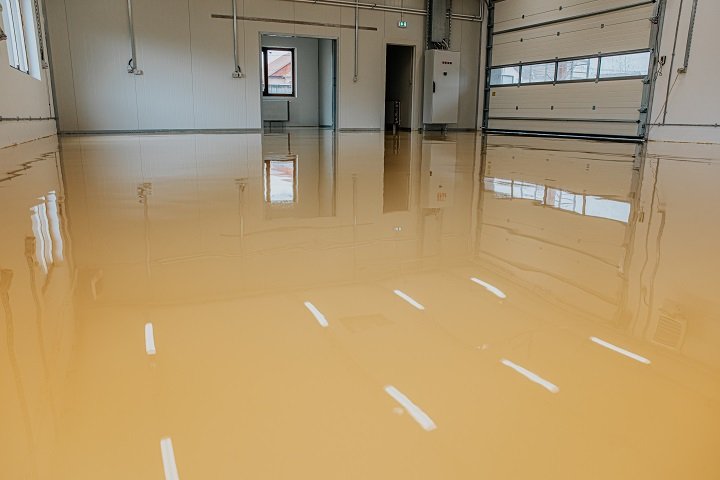

When you think about making your floors look great, epoxy flooring often comes to mind. But how safe is it? The truth lies in the substances used and how they’re handled.

Epoxy consists of resins and hardeners that can be toxic if not managed well. Companies like Kongcrete Coatings Co. strive for low-risk products while keeping their effectiveness intact. They aim to minimize hazardous components, thus reducing health risks with proper work practices.

Safety hinges on avoiding skin contact, inhalation, or ingestion of these materials before they solidify into a safer form

Understanding Epoxy Resin Safety

When working with epoxy resin, knowing its safety is key. The less of a toxic substance you use, the safer you’re from overexposure and health issues. Good work practices can prevent problems since your body’s response to toxins varies based on overall well-being.

We design our products to minimize hazards while maintaining quality, meaning fewer dangerous chemicals are used. Exposure happens mainly through skin contact or inhaling vapors when mixing or applying liquid epoxy. Once cured, solid epoxy poses little risk unless sanded; then, dust may be harmful if not managed properly.

Health concerns like dermatitis affect a small percentage but increase with repeated exposure without care. Less common is allergic dermatitis caused by sensitivity to components in both resins and hardeners, which affects even fewer users. By following recommended guidelines for safe handling and wearing protective gear, most people can avoid negative effects entirely—it’s about staying informed and cautious during use

Indoor Air Quality and Epoxy Floors

Epoxy floors bond well to bases, turning hard quickly. This lets businesses resume fast. Epoxy’s tough, resisting heat, heavy use, and chemicals without damage over years.

It suits many places like food processing and healthcare due to its seamless nature allowing for easy cleaning and reduced bacteria hideouts. Its stain resistance simplifies spills cleanup too. This flooring type stands up against heavy loads and extreme conditions without cracking or wear.

Plus, it’s visually appealing with various colors for different spaces while being cost-effective since it lasts long with minimal upkeep needs. Moreover, epoxy enhances safety by preventing slips through added coatings, making floors safer for walking or moving equipment, which is a top concern in busy areas. It also supports green initiatives as it doesn’t erode or need strong cleaners during maintenance tasks

Epoxy Flooring Companies Health Standards

When choosing epoxy flooring, companies focus on health standards. They use a mix of hardener and resin that cures into a solid coating in 48 hours. This cured floor is safe for both kids and pets.

Modern coatings emit few to no volatile organic compounds (VOCs), thanks to strict rules. Low VOC levels mean these floors are eco-friendly and pose little risk to indoor air quality. Choosing low-VOC epoxy helps avoid respiratory issues or allergies, which is especially important in poorly aired spaces where people stay long.

Safety steps during application reduce risks from smells or direct contact with the material. Professionals wear protective gear while working with it to keep everyone safe.

Epoxy flooring is safe for homes and businesses. It meets high safety standards when correctly installed by experts like Kongcrete Coatings. This type of floor resists slips, fire, and harsh chemicals.

For those with allergies, epoxy’s smooth surface keeps dust down. To ensure it stays safe, work with skilled professionals who know how to handle and apply the materials safely. Choose quality epoxy products that are low in harmful substances for peace of mind about your health indoors.

You might be looking for a transformative weight loss journey. Steady, healthy eating habits could be your key to success. Small daily habits create significant changes over time—no hiding needed! You need consistent actions and intelligent choices to see real progress on that scale.

Harnessing Habits for Wellness

Consistency is vital in your weight loss journey. Studies show that steady eating habits help people lose pounds and keep them off. The research looked at 183 adults who got advice on food and exercise for a year. They weighed in weekly, with more check-ups along the way. Those whose weights swung less early on lost more later, pointing to early patterns predicting future success.

Now imagine you’re walking Wilmington’s riverside, feeling lighter with each step because you chose consistency over quick fixes—proof of wellness truly harnessed through habitual harmony between diet and daily life. Small steps lead to significant changes right in Wilmington Weight Loss’s community.

Mindful Choices to Fuel Weight Loss Goals

Making mindful choices is the key to shedding pounds. Instead of falling for gimmicks, like magic gummies or quick-fix drugs that some push online, focus on real food. Eat what you cook at home.

Avoid packaged meals that promise much but fit poorly with a healthy lifestyle. Think about this: when was the last time quick solutions worked long-term? For most individuals, we know, never. If your goal is weight loss, avoid the traps and tricks on social media. Choose a program that aligns with who you are, not one requiring constant logging or check-ins.

Choose well; eat simply from your kitchen’s comfort, where control over ingredients ensures you feel good each day as progress unfolds naturally.

Sustainable Strategies for Lifelong Leanness

To lose weight for life, start small. Cut 200 calories from your daily meals and stick with it before cutting more in six weeks. This isn’t just about the numbers on a scale after a year—it’s how you feel then, too.

Think long term: This isn’t a quick diet fix but a lifestyle tweak. Change comes meal by meal, day by day—that’s key to lasting weight loss and feeling good. Build those habits step-wise at each plate, cut out snacks or extra drinks between meals, and learn some cooking skills, especially the importance of veggies and protein.

Achieving your weight-loss goals requires more than short bursts of effort. Wilmington Weight Loss individuals achieve true success through a consistent commitment to healthy choices. Over time, daily wise choices, such as eating nutritious foods and exercising regularly, add up.

Remember, with unwavering commitment comes excellent reward; every step counts on this path where persistence meets progress.

Introduction

Recovery from addiction is a journey that extends far beyond the individual, often involving a supportive community. This support system is particularly evident in the concept of sober living. Sober living communities provide a unique environment where individuals in recovery can find mutual support, understanding, and a sense of belonging. This article explores the pivotal role of community in addiction recovery through a sober living perspective.

The Essence of Sober Living Communities

Building a Supportive Environment

Sober living communities are residential homes or facilities that offer a drug and alcohol-free environment for individuals recovering from addiction. These communities are not just about abstaining from substances; they are about fostering a lifestyle that supports long-term recovery. In these communities, residents live together, share responsibilities, and support each other in their recovery journeys.

Key Benefits of Sober Living

  • Peer Support: Living with others who have similar experiences and challenges creates a bond that is difficult to replicate in other settings.
  • Accountability: Residents are often required to follow certain rules, attend meetings, and participate in household duties, promoting responsibility and discipline.
  • Transition to Normalcy: Sober living provides a bridge between an intensive treatment setting and the return to everyday life, helping residents to gradually readjust to society.

The Role of Community in Recovery

A Shared Journey

The journey through recovery is often marked by challenges that can be overwhelming when faced alone. The community aspect of sober living provides a network of peers who understand these challenges firsthand, offering empathy, encouragement, and practical advice. This shared experience fosters a strong sense of belonging and purpose, essential components for sustained recovery.

Learning from Others

In a sober living environment, residents learn from each other’s experiences. This shared learning is invaluable as it includes diverse perspectives and coping strategies. It helps individuals in recovery to see that they are not alone in their struggles and that success is attainable.

For further insight into the impact of community in recovery, resources from the Substance Abuse and Mental Health Services Administration can be highly informative.

Challenges and Overcoming Them

Navigating the Ups and Downs

While the benefits are substantial, living in a community setting also comes with its challenges. Differences in personality, conflicts, and the stresses of recovery can create tension. However, facing and overcoming these challenges within the community setting is part of the growth process in recovery.

Choosing the Right Sober Living Community

Finding a Fit

When selecting a sober living community, it’s important to consider factors like location, rules, structure, and the types of support offered. For those seeking a community in Southern California, sober living in Los Angeles offers a blend of supportive environment, structure, and access to resources that can significantly aid in recovery.

Conclusion

The power of community in addiction recovery cannot be overstated. Sober living communities offer more than just a substance-free environment; they provide a supportive network, a sense of belonging, and a platform for personal growth. In these communities, individuals are not just recovering; they are learning to live and thrive in a world where sobriety is a shared journey. The journey of recovery is challenging, but within the right community, it can also be deeply rewarding and life-affirming. For those in recovery, embracing the support of a sober living community can be a pivotal step towards a successful and sustained recovery.


Deciding if you can afford retirement in sunny Florida means examining your budget carefully. Consider medical expenses, not just the allure of beaches and relaxation. Remember those sweltering summers?

Air conditioning isn’t optional. It’s a necessity that drives up electricity bills significantly above the national average. In South Florida especially, brace for higher costs, with utilities often surpassing $6,000 annually for an average home. Additionally, don’t overlook insurance premiums. They’re climbing sharply due to inflation and local crises – some seeing hikes beyond 30%.

Thus, balancing desires against practicalities is key when considering retirement homes in this vibrant state.

Assessing Florida Retirement Home Costs

Assessing Florida retirement home costs means looking beyond sunny skies and beaches. You’ll find living in the Sunshine State can be costly, especially for retirees. Health care is a big part of that. Even with Medicare, out-of-pocket expenses hurt your wallet more than you might expect.

Remember to include these when budgeting. Utility bills are another concern due to year-round heat – the AC won’t run itself! Expect higher-than-average electricity charges every month.

Plus, water isn’t cheap here either. Costs pile up there, too. Hauling essentials down this way means you pay extra at checkout time, with prices higher than last year, as reported by Wink News on grocery hikes.

Balancing Budget and Lifestyle Desires

To balance your budget while still enjoying life, think about what you can really afford. Say you’ve got a nice chunk of cash, $150,000, from selling your old place. You’re looking at homes in Florida with median values around $164,500 to $229,000. That’s going to leave you with mortgage payments anywhere from just over sixty bucks monthly up into the mid-three hundreds after putting down that hefty sum.

Don’t forget: owning means more bills like insurance (costliest in Florida), property taxes, and maintenance – all adding up to roughly 4% annually based on home value. In Jacksonville, for instance, expect those expenses along with general living costs: groceries ($4K/year), transport ($10K/year), and healthcare (around $9K) each year. It’s pricier across the board. You’ll splash out even more dough there, but remember, this game is all about strategy. Prioritize where funds go by trimming leisure spending but not skimping too much on food quality or health needs.

Planning for Long-Term Living Expenses

As you plan for retirement in sunny Florida, remember to factor in insurance. Your dream home might face hurricane threats, and with climate change looming, the costs can soar due to these risks.

Property values also dance up and down here like the tides. Volatile markets impact stability more than elsewhere. Beyond numbers lies life’s flavor. Florida may lack the diverse cultural experiences that other states proudly serve daily.

Deciding if you can afford retirement in Florida? Look at your finances first—factor in living costs, health care, and leisure.

Villages of Highlands Ridge offer a cost-effective lifestyle with ample amenities to enjoy golden years without stress. Review income sources like savings or pensions, then compare them against expected expenses here. This ensures a comfortable life amid the sunshine state’s beauty.