

Category

Industry

Category

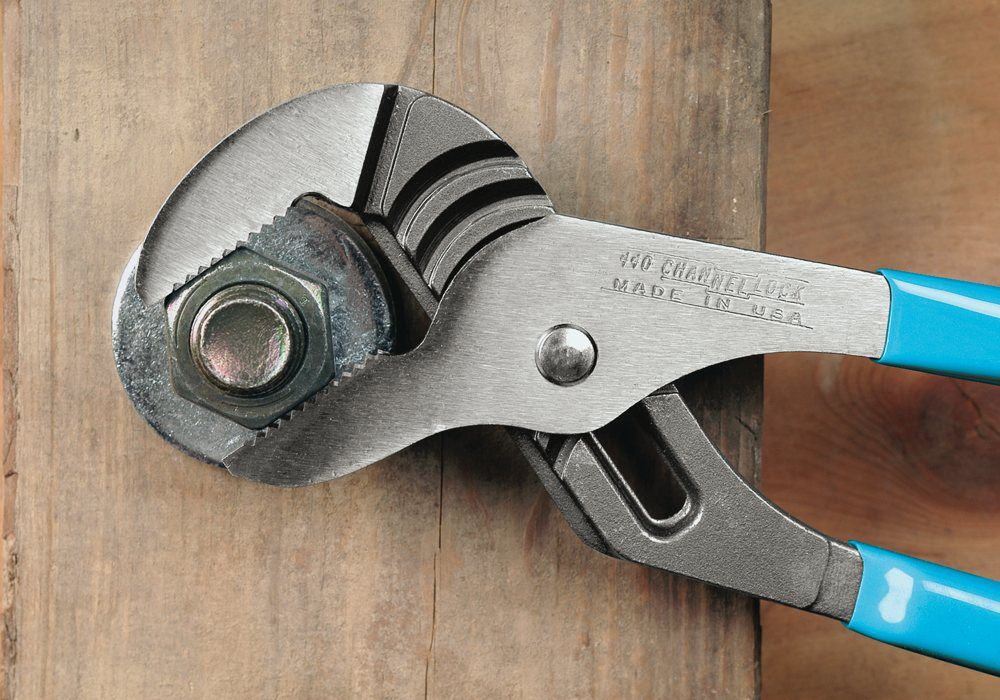
Did you know that there are American brands that build high-quality, reliable tools? Well, if not, you would be surprised by the number of tools that are made on American soil. Below is a list of 5 American-made tools. The goal is to buy America and build America.

Williams

Since 1882, Williams has made strong, trusted tools for industrial professionals with pride. Their tools are made on American soil and overseas. The tools are a great go-to option to get the job done. Williams has kept up with industry demands by providing new and effective ways to bring reliable, high-quality hand and power tools. You can trust Williams Tools to help you get the high-precision jobs done.

Armstrong

Armstrong is a part of the Apex Tool Group, an American supplier of hand and power tools. Since making its first wrench in 1909, Armstrong has been producing high-quality industrial tools. Armstrong’s hand tools are durable and reliable, guaranteeing the job done. No matter the type of job, you can trust Armstrong tools to do the job. Armstrong’s main aim is to bring you the proper tools that will do the task at hand safely and effectively.

SK Hand Tools

SK was founded in the early 1900s to supply munitions in World War I. It quickly gained a reputation for using innovative tools that appealed to the American tradesmen. Their tools are made of American steel and are capable of quality power and precision jobs. The tools are great because they are designed for long-term use and crafted with precision, which are qualities not possessed by foreign tools. A lifetime warranty backs all SK products because they believe their tools are made of the quality that will last you a lifetime.

Wright Tools

Wright is an independent tool manufacturer that produces superior-quality roots. The company has come up with unique ways to construct tools in the past and later created the industry standard. Wright has transformed how ratchets, wrenches, and sockets have been made. These innovations have allowed workers to enhance their performance because the tools allow them to cover more areas faster and more effectively. For this reason, Wright is a popular brand that people trust and use for their needs.

Estwing

Estwing is a family company founded in 1923. The company takes pride in designing and manufacturing the world’s most durable, comfortable, and attractive striking and struck tools. From claw hammers to axes, specialty tools, and pry bars, Estwing tools are manufactured to the highest possible standards. Estwing continues to innovate and produce new hand tools. The company is committed to providing the US with the highest quality tools. You have to check them out.

These are some of the industrial tools made on American soil. So, whether you need tools to use in your factory or home, you need to consider these brands. If you’re looking for quality American-made tools suppliers, check out Suncoast Precision Tools today!
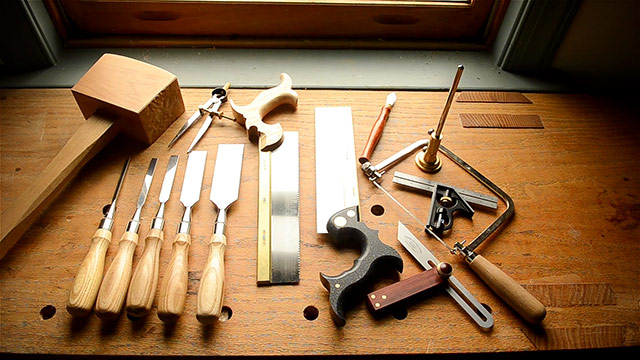
Planning to start DIY projects at home but not knowing where/how to begin? It can be very intimidating to figure out which quality industrial tools are the best for beginners. If you don’t have a guide, you can buy the most expensive ones not knowing that there are better options. Investing in high-quality industrial tools may become a trial and error.

You will most likely work with a third party at some point. These are suppliers, vendors, contractors, subcontractors, or consultants. Here are the most important factors in selecting which quality industrial tool supplier will be best for your project:

Are the supplier’s goals aligned with your own? Mission, vision, values, goals, and culture should be a good fit. Alignment with yours will indicate that the partnership will go well. Differences may lead to conflict at one point during the project.

Supplier experience. What type of experience do they have? Is it industry-related? If the supplier is experienced, they will have the expertise to add value to your selection of industrial tools. Assurance that the supplier can do what they claim will save time down the road.

Is the supplier flexible? They should be able to maintain flexibility and respond to change. Reviews and past work say more about how they operate. Consistency should also be evaluated. Can you rely on the supplier to deliver the same results consistently?

What type of products and service quality do they provide? The tool quality should significantly impact your project as a whole. Product quality is a significant factor to consider. Industrial tools should be compliant with regulations to ensure effectiveness and safety.

What value will they bring to the project? A supplier who brings strong value comes at a price. Will the overall value resonate with how you want your project to be perceived?

Is the cost fair? Are you being charged fairly? As a beginner, do you feel that the cost of the opportunity is worth it? Does that cost match up with your budget? Strategic sourcing and direct procurement realize that the price of a component or service does not always indicate the total cost. Transportation, logistics, and quality also contribute to the total cost of ownership.

Here are additional tips before you make a decision:

On-site visits. An on-site audit is a useful process for finding potential warning signs.

References. This can determine the reliability and capabilities of the supplier.

Supplier Matrix. Cost, quality, communication, expertise, and capabilities.

Your ultimate goal in selecting quality industrial tools is to procure the highest quality components at a reasonable cost.

If you are not confident about your ability to choose a quality industrial tool supplier, you can find more helpful advice with suncoasttools.com Established in 1963, they have been a trusted supplier of industrial tools. They have met the needs of the country’s commercial and residential builders.

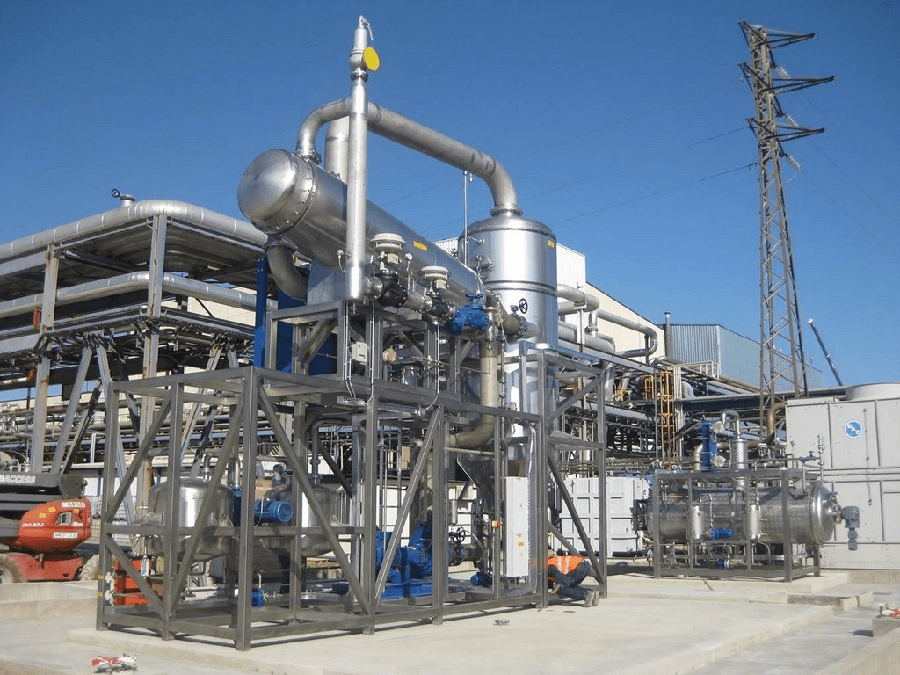
Brine is water with high concentrations of salt. Production, storage, and usage of brine require expertise. It is used in various industrial processes. Brine for industrial tanks is used in multiple applications. Notably, high brine concentrations in effluents must be treated before it is released.

Food Industry

Brine is added to food to prevent decay and also softens it. When meals are prepared in industries, brine is produced. It has to be treated before it is released. Brine is used to preserving foods like meat, fruits, and vegetables.

Textile Dyeing Houses

Pollutants are released in the water during the textile dyeing process. One of the advantages of using brine in the textile industry is that it reduces pollution more so in dyeing cotton. Law-molecular-weight salt (LMWS) is used as an auxiliary agent. The reduced pollution is advantageous to the environment as the brine water is reused.

Water Treatment

Brine is not toxic, but water has to be treated before being released. This helps in removing hard materials in water, such as calcium and other ions that cause hardness. Apart from keeping the environment from being polluted, it is an economical way to treat water. The products released after treatment are easy to manage.

Municipalities

Municipal landfills produce leachates that are harmful and require treatment before being released. If discharged before treatment, it is detrimental to the environment. During treatment, all the waste that contained brine at the origin is released from the leachate.

Leather Industry

In the leather industry, both the products used and released are highly contaminant. In tanning and softening, animal skins, sodium chloride, sodium sulfite, and sodium carbonate are used. Other salts used are sodium hydroxide and caustic soda, among others. Some of these salts are used in drying, lubrication, fishing, and conditioning. All the components used are discharged through wastewater. However, even after the treatment of effluents, they remain with high salt concentration.

Gas and Oil Industry

While recovering oil and gas, there is a production of brine. Oil is mined near rock salts. After the oil is drilled, it is then displaced to the surface through the injection of brine. As to avoid contaminating the environment, the excess brine must be treated before it is released.

Chemical Industry

In the chemical industry, fire and heat are used. The chemicals released are also hazardous to the environment. Brine is used in cooling these fluids before they are released; moreover, it is economical and has low toxicity.

Power Generation Plants

In power plants, a lot of water is used, which later becomes wastewater. The wastewater carries a lot of impurities that are a threat to the environment. They have a high concentration of salts; thus, they must be treated before they are discharged.

Desalination of Seawater

Seawater has high concentrations of salt. Technology is used to desalinate seawater to drinking water. In any process used, brine steam is always produced, and it has to be managed to avoid polluting the environment.

Brine is used widely, though it might not be toxic, it is a threat to marine life. Therefore, all effluents must be taken care of before they are discharged.