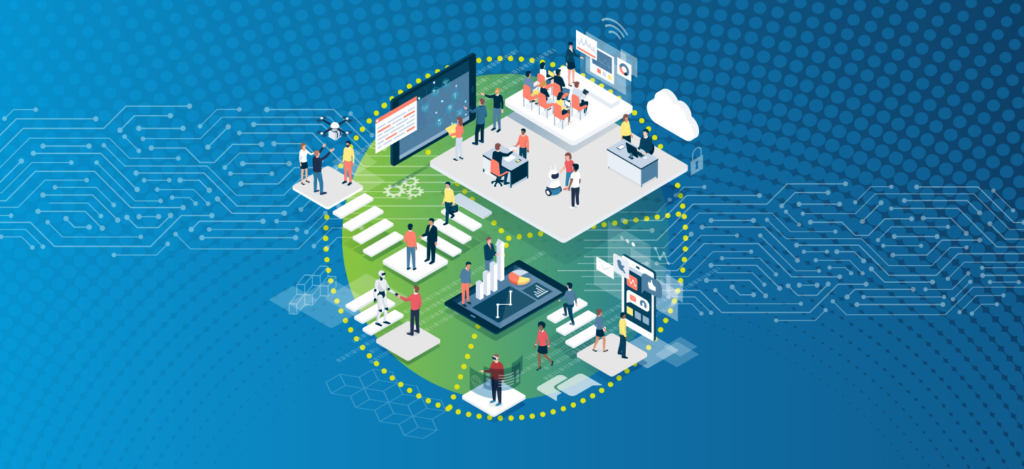
The future of work is evolving rapidly, driven by technological advancements, shifting cultural norms, and, more recently, the global response to the covid-19 pandemic. This transformation is not only reshaping where and how work is done but also has profound financial implications for businesses across sectors. From remote work to the gig economy, the changes are significant and far-reaching. This blog post explores the financial implications of the evolving future of work for businesses, highlighting some less-discussed aspects that are critical to understanding the broader economic impact.
Transition to remote work
The shift towards remote work has accelerated, with a report by global workplace analytics estimating that 25-30% of the workforce will be working from home multiple days a week by the end of 2021. While remote work offers several benefits, including reduced office space costs and access to a broader talent pool, it also presents financial challenges such as the need for investment in digital infrastructure, cybersecurity measures, and employee training for digital tools. Additionally, businesses must consider the potential impact on productivity and company culture, which can have long-term financial implications.
Increased reliance on gig economy
The gig economy is expanding, with more workers turning to freelance and contract work for flexibility and autonomy. For businesses, leveraging gig workers can reduce labor costs, as they typically do not require the same level of benefits and tax contributions as full-time employees. However, this shift also necessitates a reevaluation of how businesses invest in talent development, manage workforce reliability, and ensure compliance with evolving labor laws, which can vary significantly by jurisdiction and have financial penalties for non-compliance.
Automation and ai integration
The integration of automation and artificial intelligence (ai) into business operations promises to enhance efficiency and reduce costs over the long term. A study by pwc estimates that ai could contribute up to $15.7 trillion to the global economy by 2030. While the upfront costs of implementing these technologies can be substantial, the long-term savings and potential for innovation-driven revenue growth present a compelling financial case. Businesses must balance these investments with the potential impact on employment and the need for reskilling programs for employees affected by automation.
Investment in employee well-being
The future of work places a greater emphasis on employee well-being, recognizing its impact on productivity and, ultimately, the bottom line. Investments in mental health resources, flexible working arrangements, and health and safety measures, while initially costly, can lead to reduced healthcare costs, lower turnover rates, and improved employee engagement. The financial benefits of a healthy and satisfied workforce are becoming increasingly clear, with a report by the world health organization estimating that every $1 invested in scaling up treatment for common mental disorders results in a return of $4 in improved health and productivity.
Reskilling and upskilling initiatives
As the nature of work changes, there is a growing need for businesses to invest in reskilling and upskilling their workforce. The world economic forum’s “Future of jobs report 2020” suggests that 50% of all employees will need reskilling by 2025. While the cost of training programs can be significant, the alternative—skills gaps that hamper innovation and growth—can have more severe financial consequences. Forward-thinking businesses are viewing these initiatives as strategic investments in their future competitiveness.
Navigating regulatory and tax implications
The evolving future of work also brings regulatory and tax implications, particularly as businesses adopt remote work and engage with the gig economy. Compliance with labor laws, tax regulations, and data protection standards across different regions requires diligent oversight and can incur costs related to legal consultation and regulatory technology solutions. Staying ahead of these requirements is essential to avoid financial penalties and reputational damage.
Conclusion
The future of work presents a complex array of financial implications for businesses, from the costs associated with transitioning to remote work and integrating ai to the investments needed in employee well-being and skills development. By understanding and strategically navigating these challenges, businesses can position themselves to thrive in the evolving economic landscape, leveraging new work models to drive efficiency, innovation, and sustainable growth. The key lies in balancing short-term financial considerations with long-term strategic vision, ensuring that the future of work is both financially viable and aligned with broader business objectives.