

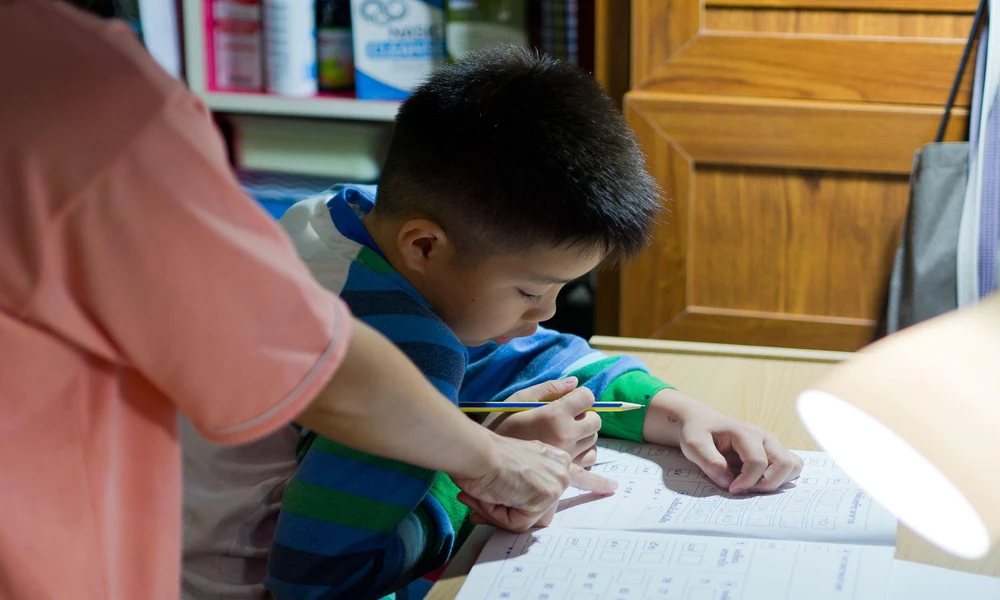
Composition is where English tuition most often underdelivers, because the surface activity of a session looks productive while the underlying skill goes untouched. A child learns phrases, practises descriptive sentences, and produces work that reads more impressively than before, and the marks do not move. That gap appears because markers reward planning, coherence, and content development rather than decoration, and vocabulary alone does not address any of those. Six signs suggest that PSLE English tuition in Singapore is not building what the composition component actually assesses.
1. The Sessions Produce Vocabulary Lists Rather Than Planned Compositions
Lists of impressive phrases, descriptive expressions, and sentence openers are the most common form this takes, and they are the least effective.
Children insert memorised phrases regardless of fit, which produces writing that sounds elevated and does not serve the story. Markers notice. Where your child’s exercise book is full of lists and short of planned, completed compositions, the tuition is building a vocabulary bank rather than a writer.
2. Your Child Cannot Explain What Their Story Is About
Ask your child to tell you their composition in three sentences before they write it. A child who can do that has a plan; one who cannot is writing sentence by sentence and hoping it resolves.
Planning is a teachable skill and it is where marks are won. If the tutor has not taught a planning method your child can actually use under exam conditions, the central part of the work is missing regardless of how much practice has been done.
3. Every Composition Follows the Same Structure Regardless of the Prompt
Some tutors teach a single template applied to every question, which produces competent work when the prompt happens to suit it and awkward work when it does not.
Markers see a great many compositions and recognise a template immediately. A child who can only write one shape of story will struggle when a prompt does not accommodate it.
4. Marked Work Comes Back With Few Specific Comments
Where compositions are returned with a grade and a general remark, your child has no way to improve. Specific annotation pointing out where the pacing slowed, where a paragraph did not advance the story, or where a detail was underdeveloped is what produces change.
Competent home tutors for English in Singapore mark composition thoroughly and go through it with the child afterward, since the review is where the learning happens rather than in the writing itself, and a tutor returning work with a grade alone is not doing the part that matters.
5. The Same Weaknesses Appear in Every Piece
Repeated feedback about the same issue across months means the issue is being noted rather than addressed.
Where your child is told repeatedly that their endings are rushed, and endings are still rushed in March, nobody has worked on endings specifically. Patterns that persist need isolating and practising rather than mentioning again.
6. Your Child Writes Better Pieces at Home Than Under Timed Conditions
Compositions produced slowly with help are not the test. If timed work is noticeably weaker, the gap is in planning speed and pacing rather than in writing ability.
Ask whether sessions include timed practice and how often, since a child who has only written untimed will not perform to the same standard in the examination.
Asking the Tutor What They Are Actually Working On
The straightforward step is asking the tutor to name the two or three specific weaknesses in your child’s writing and describe what they are doing about each.
A tutor who answers precisely is tracking something. One who talks generally about building vocabulary and exposure has not diagnosed anything in particular, and that is worth raising directly rather than waiting another term for a grade that confirms it.
Contact Genius Mind Home Tuition to review your child’s recent compositions and identify what their writing actually needs.

Comments are closed.