

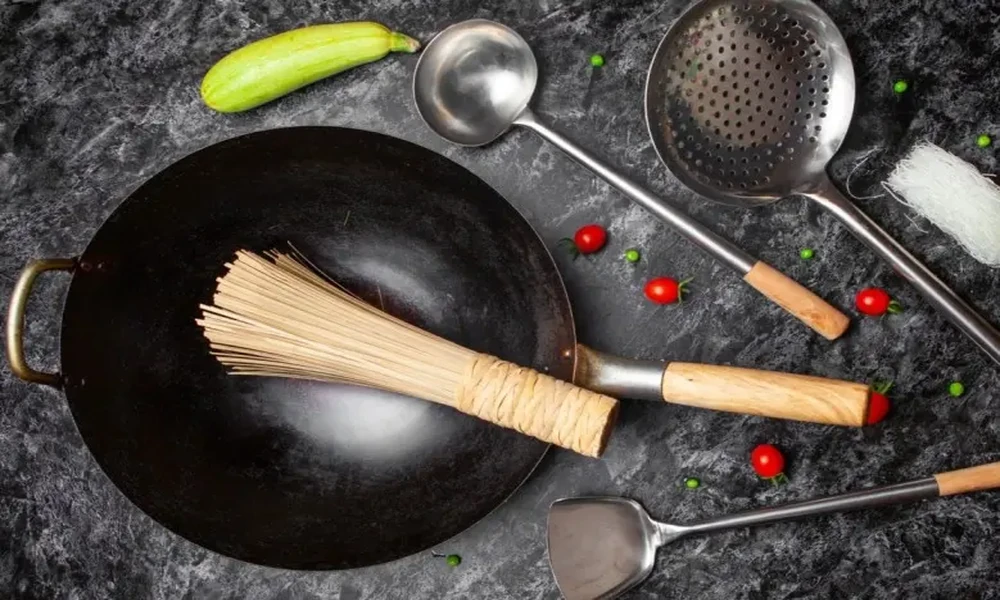
The right cookware can make everyday cooking easier, more efficient, and enjoyable. Indian cooking often involves a variety of techniques, from simmering curries and making dals to stir-frying vegetables and preparing rotis. Since different dishes require different types of cookware, choosing the right pieces can improve both your cooking experience and the quality of your meals.
If you’re setting up a new kitchen or planning to upgrade your cookware, here are a few important things to consider before buying a cookware.
Understand Your Cooking Needs
Before buying cookware, think about the meals you prepare most often. If your daily menu includes curries, rice, vegetables, and flatbreads, you’ll need cookware that supports these cooking styles. Rather than purchasing a large set at once, focus on the essentials that you’ll use regularly.
Choosing cookware based on your cooking habits helps you build a practical and functional kitchen.
Know the Different Types of Cookware
Every kitchen usually benefits from having a few versatile cookware pieces.
A frying pan is ideal for sautéing vegetables, making omelettes, and preparing quick breakfasts. A deep pan or kadai works well for curries, stir-fries, and deep-frying. Saucepans are useful for boiling milk, making tea, or preparing soups, while stockpots are perfect for cooking rice, pasta, or larger portions of food.
Having a combination of these essentials allows you to prepare a wide variety of meals with ease.
Choose the Right Material
Cookware is available in several materials, each with its own advantages.
Stainless steel is one of the most popular choices because it is durable, easy to maintain, and suitable for everyday cooking. Non-stick cookware requires less oil and is convenient for cooking foods that tend to stick. Cast iron is valued for its excellent heat retention and is often used for slow cooking. Ceramic-coated cookware is another option that offers a smooth cooking surface and an attractive appearance.
The best material depends on your cooking style and maintenance preferences.
Consider Heat Distribution
Good cookware should distribute heat evenly across its surface. Even heating helps food cook consistently and reduces the chances of burning. Thick-bottomed cookware is generally preferred because it maintains stable temperatures and performs well for a variety of Indian dishes.
Even heat distribution is especially important when preparing gravies, dals, or slow-cooked recipes.
Check Compatibility with Your Cooktop
Before purchasing cookware, make sure it is compatible with your cooking appliance. Some cookware works on gas stoves only, while others are designed for induction cooktops as well.
Checking compatibility beforehand helps avoid inconvenience later.
Look for Comfortable Handles
Cookware should be easy to handle, especially when preparing larger meals. Choose pots and pans with sturdy, heat-resistant handles that provide a comfortable grip. Well-designed handles make it safer and easier to move cookware between the stove and the countertop.
A secure grip is particularly useful when working with heavy cookware.
Easy Maintenance Matters
Busy households often prefer cookware that is simple to clean after cooking. Stainless steel and non-stick cookware are generally easy to maintain with regular washing. Following the manufacturer’s care instructions can also help extend the life of your cookware.
Proper maintenance keeps cookware looking good and performing well for years.
Build Your Collection Gradually
You don’t need to buy every type of cookware at once. Start with the basics and expand your collection as your cooking needs grow. Investing in a few high-quality pieces is often more practical than purchasing a large set that includes items you rarely use.
A thoughtfully selected collection will serve you better over time.
Store Cookware Properly
Proper storage helps protect your cookware from scratches and damage. Stack pots and pans carefully or use protective liners between them if necessary. Keeping lids organized also makes your kitchen more efficient and saves space.
Simple storage habits can help your cookware stay in excellent condition.
Final Thoughts
Choosing the right cookware is an investment in your everyday cooking experience. By considering factors like material, heat distribution, ease of maintenance, and your personal cooking habits, you can build a cookware collection that meets your needs for years to come.
Whether you’re preparing a simple weekday meal or cooking for family and friends, reliable cookware makes every recipe easier to prepare. With the right essentials in your kitchen, everyday Indian cooking becomes more convenient, efficient, and enjoyable.

Comments are closed.