
Category

Finance

Category

In the ever-changing landscape of the stock market, tracking the top gainers and losers of the day can provide valuable insights into current market trends. These indicators not only highlight which stocks are performing well or poorly but also offer a deeper understanding of the market’s broader movements. Investors who keep an eye on these stocks can make more informed decisions, identifying both opportunities for growth and potential risks.

For those seeking to navigate the complexities of the stock market, an investment advisory service can provide expert analysis and insights. These services track the top gainers and losers regularly, offering recommendations based on up-to-date market data, technical analysis, and economic indicators.

1. Understanding Top Gainers and Losers

Top gainers refer to the stocks that have experienced the highest price increase during a specific period, typically within a trading day. These stocks are often seen as outperforming the market, drawing attention from investors who believe these companies may have strong growth potential.

Conversely, top losers are the stocks that have faced the largest declines in price, indicating that they may be struggling due to weak earnings, market conditions, or other factors. Tracking both sets of stocks helps investors gauge market sentiment and identify trends that could impact their investment strategies.

2. Key Indicators to Watch for Top Gainers

Key Indicators

Several factors contribute to a stock’s rise, making it a top gainer:

  • Earnings Reports: A strong earnings report often results in a significant price increase. Investors react to better-than-expected results, driving up the stock price.
  • News and Announcements: Positive company news, such as a new product launch or a major partnership, can drive a stock’s price upward. Similarly, changes in leadership or strategic business moves may also fuel investor optimism.
  • Industry Trends: Stocks can benefit from positive trends in their respective industries. For instance, companies in renewable energy may see price surges if there is growing interest in green technologies.
  • Analyst Ratings and Upgrades: When analysts upgrade a stock or issue positive recommendations, it often boosts investor confidence, leading to a surge in stock price.

3. Key Indicators to Watch for Top Losers

Just as there are key drivers for top gainers, there are also warning signs that can lead to top losers:

  • Disappointing Earnings Reports: Poor earnings, declining revenue, or reduced profit margins can trigger a sell-off, causing a stock to drop in value.
  • Negative News: Bad press, lawsuits, or regulatory issues can hurt a company’s reputation and lead to falling stock prices. For instance, product recalls or safety concerns often result in a sharp decline.
  • Sector Decline: Stocks can also be impacted by wider market conditions or sector-wide downturns. Economic slowdowns, interest rate hikes, or geopolitical events can all influence stock prices negatively.
  • Management Changes: Unexpected leadership changes or concerns over a company’s governance can create uncertainty, leading to stock price drops.

4. How Top Gainers and Losers Indicate Market Trends

Tracking the top gainers and losers not only helps identify individual stock movements but can also offer insight into broader market trends. For instance, a surge in top gainers across various sectors could indicate a bullish market sentiment, suggesting that investors are optimistic about economic growth and stability.

On the other hand, a rise in top losers could point to bearish market conditions or sector-specific issues. When many stocks are losing value, it may be a sign that the market is facing headwinds or that investors are becoming more risk-averse. This information is crucial for making decisions about whether to stay invested, reduce exposure, or seek more conservative options.

5. The Role of Investment Advisory Services in Analyzing Market Trends

An investment advisor can help investors understand the significance of movements in top gainers and losers, incorporating these insights into an overall investment strategy. Whether it’s rebalancing a portfolio or identifying undervalued stocks, a qualified advisor can make a considerable difference in optimizing returns and minimizing risk.

6. How to Leverage Top Gainers and Losers for Your Investment Strategy

By regularly monitoring top gainers and losers, you can apply this information to refine your investment approach:

  • Diversify Your Portfolio: Use top gainers as indicators of potential growth stocks for your portfolio, while being cautious about top losers that may require further evaluation before investing.
  • Risk Management: Keep an eye on the top losers as they can highlight potential risks in the market. If a stock you own is among the top losers, consider reviewing your position to minimize potential losses.
  • Momentum Investing: Traders often capitalize on the momentum of top gainers by buying stocks that are trending upward, taking advantage of short-term price increases.

Conclusion

Tracking top gainers and losers is an essential part of any investor’s toolkit. These indicators not only reveal individual stock performances but also reflect the overall health of the market. By understanding the key drivers behind these trends and leveraging expert insights from an investment advisory service, you can make smarter, data-driven investment decisions. Whether you’re aiming to capitalize on growth opportunities or minimize risks, the ability to effectively track and interpret top gainers and losers will keep you ahead of the market.
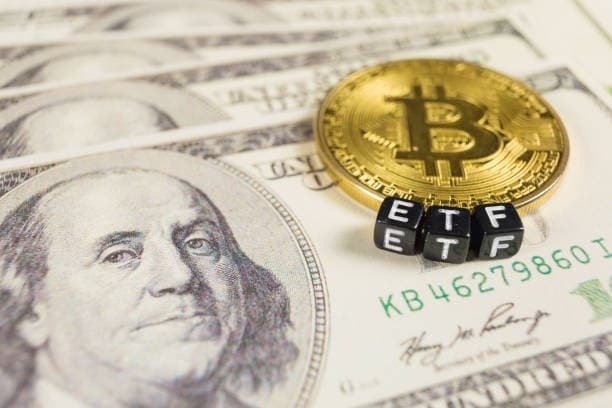

Cryptocurrency can feel like you’re trying to navigate a maze without a map. But don’t worry, I’m here to help you find your way through the labyrinth. Imagine you’re at a party where everyone’s talking about the latest crypto trends, and you want to join the conversation. You’ve decided to buy some crypto, but where do you start? Let’s break it down into a quick, easy-to-follow guide.

What is Cryptocurrency?

Before we dive into How to buy crypto, let’s get the basics out of the way. Cryptocurrency is digital or virtual currency that uses cryptography for security. It operates on a technology called blockchain, which is a decentralized system that allows for secure transactions without the need for a central authority. Bitcoin, Ethereum, and Litecoin are some of the popular names in the crypto world. They’re like digital gold, but with the potential for significant gainsr losses.

Why Should You Buy Cryptocurrency?

There are several reasons why people buy crypto. Some see it as an investment, hoping that the value of their digital assets will increase over time. Others use it for trading or as a means of payment for goods and services. Crypto offers a new way to diversify your investment portfolio and can be a hedge against inflation. Plus, it’s just plain exciting to be part of a financial revolution.

Choosing the Right Cryptocurrency

The first step in buying crypto is deciding which one to buy. Do you want to go with the big players like Bitcoin and Ethereum, or are you interested in smaller, lesser-known coins that might offer higher returns? Research is key here. Look at the technology behind the coin, the team running it, and the community supporting it. Don’t just follow the hype; make informed decisions.

Setting Up a Wallet

Once you’ve chosen your crypto, you’ll need a place to store it. A digital wallet is like a digital bank account for your cryptocurrency. There are different types of wallets, including software wallets, hardware wallets, and paper wallets. Each has its pros and cons, so choose one that fits your needs. Remember, security is crucial, so never share your wallet’s private keys with anyone.

Finding a Reliable Exchange

Now, where do you actually buy this stuff? Crypto exchanges are platforms where you can buy, sell, or trade cryptocurrencies. Some are more user-friendly than others, and some offer a wider range of coins. Look for an exchange that has a good reputation, offers the coins you want, and has a solid security track record. Don’t forget to check the fees, as they can add up.

Understanding the Buying Process

Buying crypto isn’t as complicated as it sounds. You’ll need to create an account on the exchange, verify your identity, and link a payment method. Once that’s done, you can place an order to buy crypto. There are different types of orders, like market orders and limit orders, so make sure you understand the difference before you buy.

Securing Your Investment

After you’ve made your purchase, it’s time to secure your investment. Transfer your crypto from the exchange to your personal wallet as soon as possible. Exchanges can be targets for hackers, so keeping your crypto on an exchange is like leaving your money on the street. Use strong passwords and two-factor authentication to protect your account.

Staying Updated and Safe

The world of crypto is fast-paced and constantly changing. To stay updated, follow reputable news sources and join online communities. Be wary of scams and always do your own research before making any decisions. Remember, if something sounds too good to be true, it probably is.

The Importance of Diversification

Just like with traditional investments, it’s important to diversify your crypto portfolio. Don’t put all your eggs in one basket. Spread your investments across different coins to minimize risk. This way, if one coin tanks, you still have others that might be performing well.

Long-Term vs. Short-Term Strategies

Are you planning to hold onto your crypto for the long haul, or are you looking to make quick trades? Your strategy should reflect your goals. Long-term investors focus on the potential growth of their investments, while short-term traders look for quick profits. Each approach has its own risks and rewards, so choose wisely.

Tax Implications

Don’t forget about the tax implications of buying and selling crypto. Depending on your jurisdiction, you may be liable for capital gains tax when you sell your crypto at a profit. Keep detailed records of your transactions and consult with a tax professional to ensure you’re compliant.

Final Thoughts

Buying crypto can be an exciting adventure, but it’s not without its risks. Do your homework, stay informed, and always be cautious. Remember, the crypto market is volatile, and what goes up can come crashing down. But with the right approach, you can navigate the world of cryptocurrency and potentially reap the rewards. So, go ahead, dive in, and be a part of the digital gold rush. Just make sure you’ve got your safety gear on.

The rapid growth and widespread adoption of cryptocurrencies have had a profound impact on global financial markets. Cryptocurrencies, such as Bitcoin and Ethereum, have introduced a new asset class that operates outside the traditional financial system, challenging the status quo and prompting a reevaluation of existing market structures. This article delves into the influence of crypto analysis on global financial markets, examining its role in shaping investor behavior, market dynamics, and regulatory responses.

Cryptocurrency as a New Asset Class

Cryptocurrencies have emerged as a distinct asset class, offering investors a new avenue for diversification and potential returns. Unlike traditional assets such as stocks, bonds, and commodities, cryptocurrencies are decentralized and operate on blockchain technology. This unique characteristic has attracted investors seeking alternative investments and has led to the creation of new financial products and services catering to the crypto market.

The Role of Crypto Analysis

Crypto analysis plays a crucial role in understanding the dynamics of the cryptocurrency market. It involves the study of market trends, price movements, and the underlying technology driving cryptocurrencies. Analysts use various tools and methodologies to forecast future price movements and assess the potential risks and rewards associated with investing in digital assets.
Influence on Investor Behavior

The influence of crypto analysis on investor behavior is significant. As more investors turn to cryptocurrencies for potential high returns, they rely on crypto analysis to make informed decisions. This analysis helps investors understand market sentiment, identify trends, and evaluate the performance of different cryptocurrencies. It also plays a role in risk management, as investors use analysis to assess the volatility of the market and make decisions accordingly.

Market Dynamics and Price Volatility

Cryptocurrency markets are known for their price volatility, which can be attributed to various factors, including market sentiment, regulatory changes, and technological advancements. Crypto analysis helps investors navigate these fluctuations by providing insights into the factors driving price movements. By understanding the underlying causes of volatility, investors can make more informed decisions and potentially mitigate risks.

Regulatory Responses and Market Stability

The influence of cryptocurrencies on global financial markets has prompted regulatory responses from governments and financial institutions worldwide. Crypto analysis plays a crucial role in shaping these responses, as regulators seek to understand the implications of digital assets on market stability and financial integrity. By analyzing market trends and the potential risks associated with cryptocurrencies, regulators can develop policies that balance innovation with the need for market stability and investor protection.

Integration with Traditional Financial Markets

As cryptocurrencies gain mainstream acceptance, they are increasingly being integrated into traditional financial markets. This integration has led to the development of new financial products, such as cryptocurrency-based ETFs and futures contracts, which are subject to the same regulatory oversight as traditional financial instruments. Crypto analysis is essential in this context, as it helps investors and regulators understand the implications of this integration on market dynamics and stability.

Challenges and Opportunities

The influence of crypto analysis on global financial markets presents both challenges and opportunities. On one hand, the rapid growth of the crypto market has led to increased market volatility and regulatory uncertainty. On the other hand, it has also opened up new avenues for investment and innovation, with the potential to transform the financial landscape. As the market continues to evolve, crypto analysis will play a critical role in shaping the future of global finance.

Conclusion

In conclusion, crypto analysis has a significant influence on global financial markets. It shapes investor behavior, market dynamics, and regulatory responses, and plays a crucial role in the integration of cryptocurrencies with traditional financial markets. As the crypto market continues to grow and mature, the importance of crypto analysis will only increase, making it an essential tool for investors, regulators, and financial institutions alike.

The Bank of England, as the central bank of the United Kingdom, has played a pivotal role in managing economic stability and addressing financial crises. Two significant events that tested its crisis management capabilities were the 2008 financial meltdown and the COVID-19 pandemic. This article examines what those in the know have to say Kavan Choksi / カヴァン・ チョクシ the Bank of England’s responses to these crises, comparing the strategies employed, assessing their effectiveness, and discussing the lessons learned and implications for future policy-making.

The 2008 Financial Meltdown

Causes and Initial Impact:

  • The 2008 financial crisis was triggered by the collapse of the housing bubble in the United States, leading to a global financial system shock. The crisis quickly spread to the UK, causing severe liquidity issues for banks, a sharp decline in stock markets, and a credit crunch.

Bank of England’s Response:

  • Monetary Policy Adjustments: The Bank of England rapidly reduced the base interest rate from 5.75% in late 2007 to 0.5% by March 2009, aiming to lower borrowing costs and stimulate economic activity.
  • Quantitative Easing (QE): In March 2009, the Bank initiated its QE program, purchasing government bonds and other financial assets to inject liquidity into the financial system and encourage lending.
  • Bank Recapitalization: The Bank, alongside the UK government, supported the recapitalization of major banks to ensure their solvency and restore confidence in the financial system. Significant public funds were used to recapitalize institutions like the Royal Bank of Scotland and Lloyds Banking Group.
  • Regulatory Reforms: The crisis highlighted the need for stronger financial regulation. The Bank of England worked with other regulatory bodies to implement stricter capital requirements, improve risk management practices, and enhance oversight of the financial sector.

Effectiveness and Outcomes:

  • The aggressive monetary easing and QE helped stabilize financial markets and prevent a deeper recession. However, the recovery was slow, and the crisis led to significant public debt and long-term economic challenges.

The COVID-19 Pandemic

Causes and Initial Impact:

  • The COVID-19 pandemic presented an unprecedented global health crisis, leading to widespread lockdowns, disrupted supply chains, and a sudden economic downturn. The UK faced sharp declines in GDP, rising unemployment, and severe financial market volatility.

The Bank of England’s responses to the 2008 financial meltdown and the COVID-19 pandemic illustrate its critical role in managing economic crises. By employing a range of monetary policy tools, supporting the financial system, and coordinating with government measures, the Bank helped stabilize the UK economy during these turbulent times. The lessons learned from these crises will inform future policy-making, ensuring that the Bank of England remains prepared to navigate and mitigate economic challenges effectively.

In a steadily changing monetary landscape, safeguarding your assets and wealth has become foremost. Offshore protection has arisen as a strong technique for people and organizations hoping to get their monetary prosperity. The idea of offshore protection, its advantages, and how to explore this crucial part of wealth the executives.

Understanding Offshore Protection

Offshore protection includes the essential position of assets and wealth in offshore purviews that offer ideal legitimate, monetary, and charge conditions. These wards give a scope of advantages, including improved resource security, resource protection, charge streamlining, and diminished openness to lawful dangers.

Advantages of Offshore Protection

  • Resource Security and Secrecy: Offshore locales frequently focus on client classification, guaranteeing that proprietorship subtleties of assets are kept hidden. This degree of security makes it trying for outsiders, including leasers and defendants, to get to data about your assets.
  • Resource Protection: Offshore designs, like trusts and offshore organizations, give a legitimate safeguard against expected dangers.
  • Charge Enhancement: Numerous offshore purviews offer positive expense systems, which can prompt significant assessment reserve funds for people and organizations.
  • Expansion: Offshore protection permits you to broaden your assets universally, lessening chances related with a solitary nation’s financial or political precariousness.

Navigating Offshore Protection

  • Recognize Your Goals: Obviously characterize your targets and what you desire to accomplish with offshore protection. Is it true or not that you are fundamentally inspired by security, resource protection, or assessment enhancement? Your objectives will shape your offshore procedure.
  • Pick the Right Purview: It is basic to choose the right offshore ward. Think about elements like the locale’s lawful structure, security, monetary foundation, and duty guidelines. Look for proficient exhortation to recognize the best met for your requirements.
  • Lay out Offshore Designs: Work with experienced experts, like offshore specialists and legal counsellors, to lay out the vital offshore designs.
  • Consistence and Announcing: Guarantee severe consistence with the legitimate and detailing necessities of both your nation of origin and the offshore locale.
  • Normal Survey: Offshore protection is certainly not a one-time try; it requires occasional surveys and changes.

Offshore protection is an important device for safeguarding your assets and wealth in an undeniably perplexing monetary world. By understanding the advantages and navigating the interaction cautiously, you can find proactive ways to get your monetary prosperity and guarantee that your financial institution perseveres for a long time into the future. Talking with experts experienced in offshore protection is crucial for capitalize on this technique while staying consistent with every single legitimate prerequisite.