

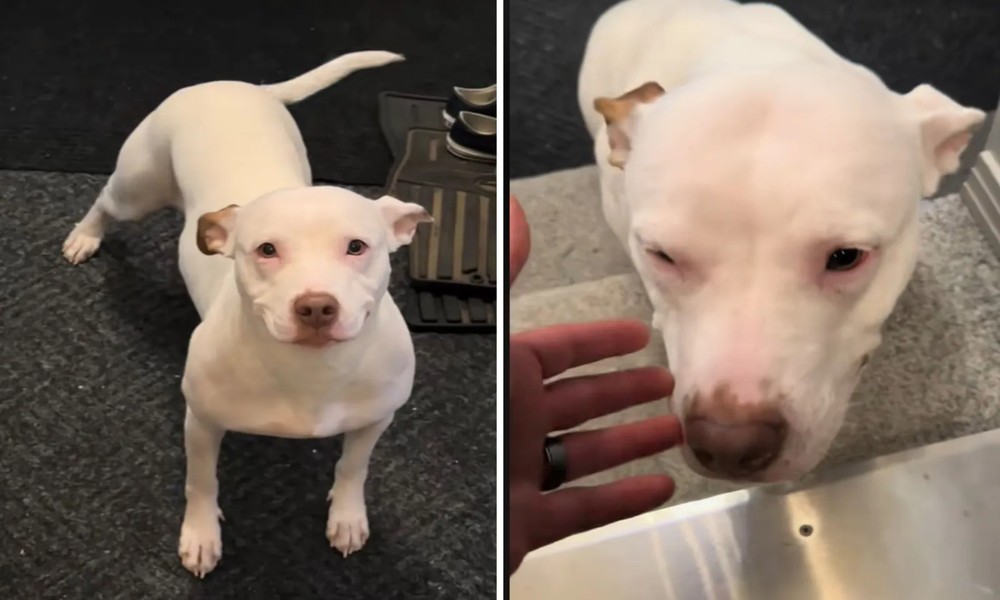
The first month in a new home is the most important stretch of a rescue dog’s life since leaving the shelter. It shapes whether the adoption sticks, whether medical issues get caught early, and whether behavior that looked calm in a shelter kennel stays that way once the environment changes. Most adopters arrive enthusiastic and underprepared, which is where veterinarians and rescue coordinators come in. Practices that work closely with rescue organizations, Douglas Animal Hospital in Osseo among them, see a predictable set of issues in those first 30 days, and most of them are easier to manage when they are expected.
The 3-3-3 Rule and What It Actually Describes
A framework most rescue volunteers will mention is the “3-3-3 rule.” The first three days are decompression. The dog is overwhelmed, often quiet, sometimes refusing food, and may sleep more than seems normal. The first three weeks are when the real personality begins to emerge, including any behaviors that were suppressed by shelter stress. The first three months are when the dog is fully settled into the household.
The point of the framework is patience. A rescue dog that seems withdrawn at day four is not broken. A rescue dog that starts testing rules at week two is not regressing. Both are part of a normal arc, and most behavior red flags that warrant professional attention show up in the second half of the first month rather than the first few days.
What the First Vet Visit Should Actually Cover
Most shelters and rescues send new adopters home with paperwork and a general recommendation to see a veterinarian within two weeks. That timeline matters. Kennel cough (canine infectious respiratory disease complex) has an incubation period of three to ten days and often emerges in the first week. Intestinal parasites are common in shelter dogs and can take days to show up in stool. A physical exam within two weeks catches both early and establishes a weight, dental, and skin baseline that matters for every future visit.
The productive version of that visit has the adopter bringing everything the rescue sent home, including medical records, vaccine certificates, microchip paperwork, and any notes on intake bloodwork or fecal testing. A fresh stool sample collected within 24 hours and kept refrigerated lets the veterinarian actually work through parasite screening during the visit rather than scheduling a second appointment.
A complete exam includes weight, body condition scoring, dental and skin assessment, heart and lung auscultation, abdominal palpation, and an ear check. A heartworm test is standard for adult dogs, and a fecal analysis looks for roundworms, hookworms, whipworms, giardia, and coccidia. Microchip status should be scanned and the registration updated to the new owner’s information, which routinely gets missed. Vaccine review rounds out the visit: many rescue dogs arrive with incomplete or poorly documented histories, and confirming a baseline is safer than assuming. Core vaccines (DAPP and rabies) are standard, bordetella matters for any dog headed to boarding, daycare, or dog parks, and leptospirosis is endemic in Minnesota and generally recommended.
Health Issues That Commonly Emerge
Gastrointestinal upset in the first two weeks is expected. Stress combined with a food change produces loose stool in a large share of new arrivals. Transitioning food gradually over seven to ten days (roughly 25 percent new food at a time) reduces the risk. Boiled chicken and rice is the standard backup bland diet.
Kennel cough is the other common first-week issue. A dry hacking cough, sometimes with retching that owners misread as vomiting, is the giveaway. Most cases resolve with supportive care, but any cough that persists beyond a few days or is accompanied by lethargy, appetite loss, or nasal discharge warrants a call.
Skin issues, including flea allergies, demodex in puppies, and hot spots, often appear once the dog is out of the shelter environment.
Behavior: Normal Adjustment vs a Genuine Red Flag
Most behavior changes in the first three weeks are normal adjustment. A dog that hides in the first week, eats reluctantly, avoids certain rooms, or startles at ordinary household sounds is not a behavioral problem. It is a dog that has not finished decompressing.
Signals worth raising with the veterinarian or a credentialed trainer include resource guarding of food or toys directed at people, growling or snapping during handling or grooming, fear responses severe enough to prevent basic needs like eating or eliminating, or any bite incident. Early consultation usually resolves these far more cleanly than waiting to see if they “settle.”
Why Practices Like Douglas Animal Hospital Handle Rescue Patients Differently
Veterinary offices that work with multiple rescue organizations, which Douglas Animal Hospital in Osseo does (the practice partners with 12 local rescue groups), tend to structure the first rescue visit differently than a typical wellness check. The history review is longer. The vaccine planning is more individualized. Time is built in for adopter questions about food, training, and what behavior to expect. For adopters who have never owned a dog before, that orientation matters as much as the medical work.
The Short Version
The first 30 days with a rescue dog are less about training and more about setup. Decompression first, medical baseline second, behavioral assessment third. The 3-3-3 rule describes the rhythm, the two-week vet visit catches the medical issues that tend to surface, and early attention to any genuine behavioral concern prevents most of the bigger problems that lead to returns. For new adopters in Osseo, Maple Grove, Brooklyn Park, and Champlin, a practice like Douglas Animal Hospital that already works with local rescues can usually build the first visit around the questions a new adopter actually has, rather than a generic wellness template.

Comments are closed.