

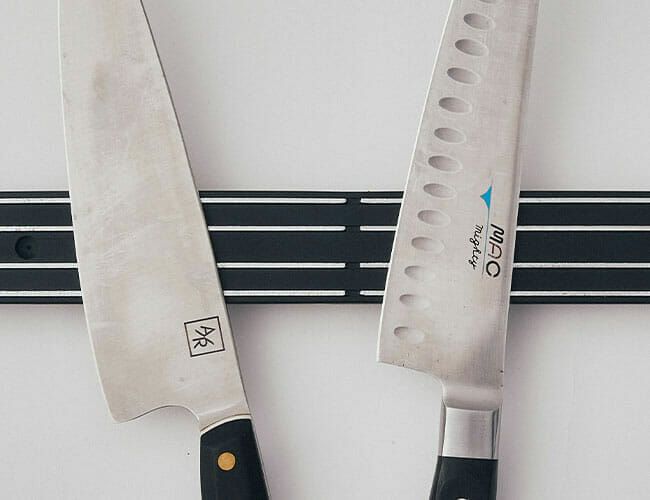
As one of the most important tools in any kitchen, a chef knife is an investment that requires proper care and maintenance to keep it sharp, functional, and safe to use. Whether you are a professional chef or a home cook, here are some tips and tricks to help you take care of your chef knife.
Store your knife properly
Storing your chef knife properly can help to prevent damage and prolong its lifespan. When storing your knife, make sure the blade is protected by placing it in a sheath or blade guard. This will also prevent accidental cuts while reaching for your knife. Avoid storing your knife in a drawer with other utensils, as this can cause the blade to become dull or scratched. Instead, consider using a knife block or magnetic strip to store your knife.
Clean your knife after every use
To keep your chef knife in top condition, it’s important to clean it after every use. Use mild dish soap and warm water to wash the blade, then dry it with a soft cloth or towel. Avoid using abrasive sponges or harsh detergents, as they can scratch the blade or damage the handle.
Sharpen and hone regularly
Even with proper care, your chef knife will eventually become dull. Regular sharpening and honing can help to maintain the sharpness of your knife and prevent it from becoming damaged. You can sharpen your knife using a whetstone or sharpening rod, or take it to a professional knife sharpener. Honing your knife regularly with a honing rod can also help to maintain its edge between sharpening sessions.
Use the right cutting board
Using the wrong cutting board can cause damage to your chef knife. Avoid using hard materials like glass or ceramic as they can cause the blade to become dull quickly. Instead, opt for a cutting board made of softer materials like wood or plastic. Wood is the best option as it is gentle on the blade and has natural antibacterial properties.
Avoid using your knife for the wrong tasks
Using your chef knife for tasks other than cutting food can damage the blade, and it may not be able to perform its intended function effectively.
For example, using a chef knife to open cans can cause the blade to become dull and may also bend it out of shape. Similarly, using a chef knife to cut through bones can damage the blade’s edge and may even cause it to chip or break.
To prevent damage to your chef knife, it’s important to use it only for its intended purpose, which is cutting and slicing food. Use a separate tool or knife for tasks such as opening cans, jars, or cutting through bones. This will help to keep your chef knife sharp and in good condition for longer.
Oil your knife regularly
Oiling your chef knife regularly can also help to maintain its condition and prevent rust. After cleaning and drying your knife, apply a small amount of food-grade mineral oil or vegetable oil to the blade and handle using a clean cloth. This will help to protect the metal from moisture and humidity. Be sure to wipe off any excess oil before using your knife again. However, it is important to note that oiling is not necessary for all types of knives, so check the manufacturer’s instructions before applying any oil.
By following these tips and tricks, you can keep your chef knife in top condition and ensure that it remains sharp and functional for years to come. Proper care and maintenance is essential for any kitchen tool, and a chef knife is no exception.
