

Maine homeowners need dependable heat, steady airflow, and lower fuel waste during the winter months. A prepared home helps technicians access panels, walls, ducts, and outdoor equipment areas safely. Schedule a qualified assessment early, and clear each work area before the installation date.
Assess Heat Loss Before Equipment Selection
A room-level home review helps cold-climate heat pump installation in Maine match household heat demand. The contractor should measure window sizes, attic depth, wall exposure, and basement conditions. Older coastal homes need close review near rim joists and crawl spaces. This data helps select equipment capacity for bedrooms, hallways, and shared areas. The result supports steady comfort through long, cold days.
Insulation Quality
Sound insulation helps the new system hold heat between operating cycles. Attic insulation should cover joists evenly with dry material at the proper depth. Basement sills need sealed edges around pipes, wires, and masonry gaps. Dense coverage helps rooms keep warmth after each system cycle.
Air Leak Control
Small air leaks can reduce comfort across several connected rooms. Drafts near trim, outlets, hatch covers, and sill plates deserve attention. Caulk, foam, and weatherstrips seal common leaks before equipment arrives. A tighter home shell helps the heat pump serve each room.
Confirm Electrical Panel Readiness
Electrical preparation helps the service team connect equipment safely. The panel should support the compressor, air handler, disconnect, and required breaker space.
Important electrical checks include these:
- The panel cover should open fully without boxes or furniture nearby.
- Outdoor disconnect placement should allow safe access after heavy snow.
- Whole-home surge protection can protect sensitive heat pump control boards.
Choose Proper Indoor Unit Placement
Indoor placement affects how heat reaches daily-use rooms and quiet areas. Wall-mounted units need clear space above furniture, shelves, and window treatments. A main living area may need airflow toward seats and hallways. Bedrooms may need separate units when closed doors limit heat movement. The installer should confirm wall studs, drain routes, and line-set paths.
Select a Safe Outdoor Unit Location
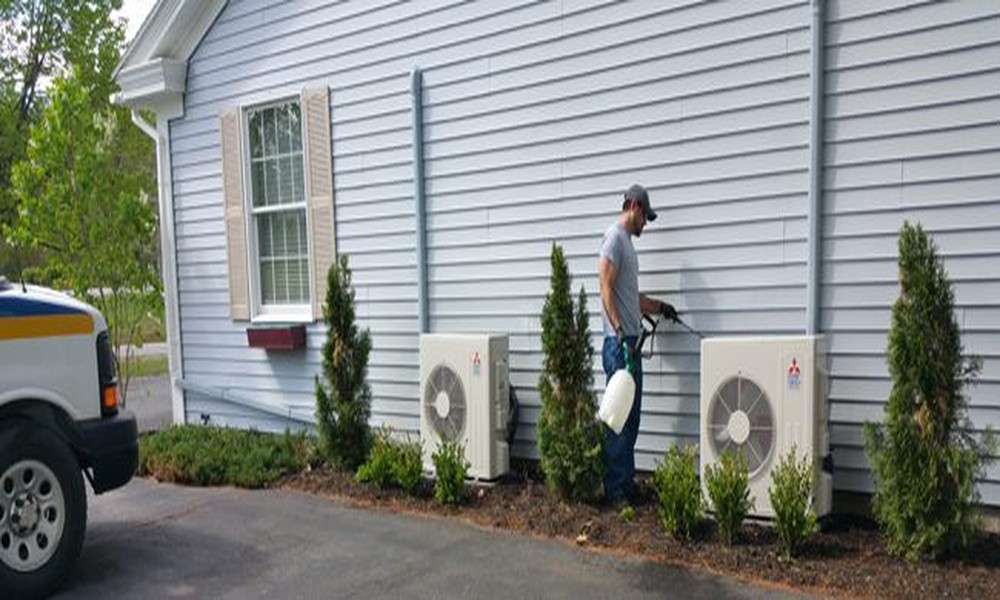
Outdoor placement should account for snow depth, drainage, and service access. The unit needs a firm base above normal seasonal snow levels. Many Maine homes benefit from wall brackets or elevated composite stands. Roof runoff should never fall directly onto the cabinet during thaws. Shrubs, fences, and woodpiles must leave clear service space nearby.
Prepare Ductwork or Room Zones
Home layout should guide duct checks and room zone decisions. Existing ducts need inspection before any ducted heat pump project starts. Leaky seams can waste warm air inside attics, basements, or crawl spaces. The contractor should seal joints with mastic and verify return airflow. Maine homes with offices or nurseries may need dedicated room coverage.
Duct Condition
Healthy ductwork helps heated air reach each planned comfort area. Metal ducts should have tight seams, firm hangers, and clean returns. Flex ducts need smooth paths without crushed sections or sharp bends. Strong duct condition helps deliver heat to the intended rooms.
Room Comfort Zones
Room zones should reflect household routines, door habits, and sun exposure. Open spaces may share warmth across kitchens, halls, and family areas. Closed bedrooms need dedicated coverage for dependable comfort at night. A practical zone plan supports comfort across every occupied area.
Clear Access for the Installation Team
Simple access preparation helps the crew protect floors and complete work cleanly. Entry paths should stay open from exterior doors to all work areas. Pets, stored bins, and loose rugs should move from crew routes. Wall areas need clear space for ladders, tools, and drill work. Outdoor areas need snow, ice, and debris removed before arrival.
A prepared Maine home gives the new system a strong start. The right professional service helps confirm sizing, placement, wiring, and winter-ready setup. Homeowners should schedule an assessment before cold-climate heat pump installation in Maine and confirm key details early. Skilled installation support helps protect comfort, equipment performance, and long-term system value.

Comments are closed.