

Archive

August 5, 2024

Browsing

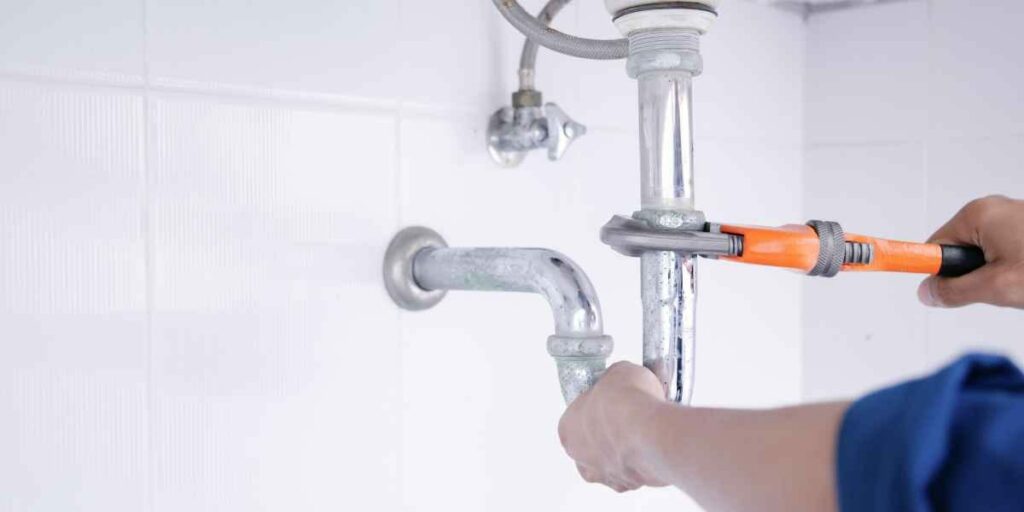
Diving into DIY plumbing repairs? You’re stepping into a world where the right knowledge can save you time and money. Most sinks have an easily accessible valve underneath, just as toilets often feature one behind their base.

Turning off these valves is your first step to avoiding messy surprises. But when it comes to bathtubs or if those valves are elusive, shutting off the main water supply becomes necessary—though potentially more complex. Whether inside, near ground level or outside by your meter, locating this valve requires diligence.

However, navigating beyond basic tasks might call for professional help, and recognizing that line is key to effective DIY plumbing repair.

Identifying Easy Fixes

Start by turning off all water valves to avoid any leaks during repairs. If working on your bathtub, you might need to shut the main valve, which could be inside or on the street. Understand whether your kitchen sink needs a three or four-hole faucet and choose accordingly for easy installation; remember that extra holes usually accommodate accessories like sprayers.

For malfunctioning sprayer attachments, simply replace the hose and nozzle if detachable. In bathrooms, begin with simple upgrades such as changing shower heads—just unscrew the old one, apply Teflon tape for sealing, and screw on the new head, ensuring it fits the pipe’s size. A constantly running toilet often requires only basic fixes like replacing flush valves or adjusting tank water levels; parts are readily available in home improvement stores.

For clogs in drains or toilets, not deep-seated problems can sometimes be resolved without professional help using just a plunger.

Choosing Quality Replacement Parts

When choosing quality replacement parts for plumbing, prioritize compatibility and durability. For unclogging tasks, the right tools make a difference. A plunger matched to your toilet’s design can clear blockages efficiently, avoiding further issues.

When sink or shower clogs occur, specific drain cleaners designed for such setups ensure you don’t damage piping with improper chemicals. When upgrading to a new shower head, consider water pressure preferences; options range from gentle rain to vigorous massage settings. All require closely following manufacturer instructions for proper installation.

Similarly, selecting a new faucet offers an opportunity to enhance your kitchen or bathroom aesthetic while ensuring functionality adheres strictly by checking the fit and finish against existing fixtures.

Finding the Best Mesa Plumbers

When seeking the best Mesa plumbers, look for those with years of problem-solving experience, like Mr Sunshine Plumbing. They bring expertise and efficiency to every job, diagnosing issues swiftly thanks to a deep understanding of complex plumbing systems. These professionals stay informed about the latest advancements in technology and safety protocols, guaranteeing their work aligns with current industry standards.

With access to specialized tools not found in most homes, they tackle repairs from simple leaks to major installations safely and effectively. Opting for professional help saves time and prevents costly future problems by ensuring quality craftsmanship that lasts longer than DIY fixes can offer.

Shrink wrapping with food-grade materials plays a key role in keeping perishable goods fresh longer. Take the example of cucumbers wrapped in Technopack’s ThermoShrink film, which shows significantly less weight loss and maintains firmness better than unwrapped ones under specific storage conditions. Storing at 12 ± 1 °C and high humidity not only minimizes physiological changes but also prevents rot for up to 15 days, far outperforming control samples without wrap.

This method’s ability to extend shelf life while preserving quality showcases its importance in reducing waste and ensuring the freshness of perishables.

Selecting High-Quality Materials

Selecting high-quality materials is crucial for ensuring the longevity and safety of perishable goods. Before utilizing food grade shrink wrap, it’s important to start with premium, undamaged produce. For example, cucumbers harvested at peak quality are ideal for shrink-wrapping with Technopack’s ThermoShrink film. Only those free from defects should be chosen—a critical first step.

These cucumbers undergo a thorough selection process where each one is evaluated based on physical attributes, confirming uniformity and health before wrapping. This method underscores how starting with superior raw materials can impact final product quality significantly when using food-grade shrink wrap to extend shelf life.

Proper Storage Techniques

When it comes to proper storage techniques, food grade shrink wrap plays a key role. Almost half of all the world’s food is wasted annually, emphasizing the need for effective preservation methods. Food-grade plastics drastically reduce spoilage by blocking harmful gases from reaching fresh foods like red meat, extending its freshness from three days to six.

In addition, certain plastic packages with an absorbent packet can increase bread’s shelf life up to four times longer than usual. Remember that producing food consumes significantly more resources and emits more carbon compared to making plastic packaging. The ongoing innovation in creating lighter and greener packaging solutions highlights the industry’s commitment to sustainability and safety—not only does this shield our meals against deterioration, but it also wards off diseases linked with spoiled goods.

For individuals lacking access to refrigeration or adequate storage facilities, these advancements are crucial; they ensure nutrition remains within reach safely. Everyone has a part in promoting sustainable practices—consider rallying behind recycling initiatives aimed at bolstering eco-friendly progress across communities.

Benefits of Sealed Packaging

When you seal your food with Technopack’s ThermoShrink wrap, it gets a tight layer of protection. This ensures the food stays safe from dirt and keeps it fresh longer. Food-safe shrink wraps are really strong because they’re made of long polymer chains.

They’re tough enough to handle shipping without tearing or getting damaged easily. Using this kind of packaging also saves money because it’s’ cheaper than other methods, and you don’t need expensive equipment to start wrapping smaller quantities. One big advantage is that once wrapped; if anyone tries to open it before buying, it’s’ obvious – making customers confident in their purchase.

Plus, thicker materials can be used for foods needing cold storage but not a super long time in the freezer. These materials meet FDA standards, which means they’re clean and won’t’ release harmful chemicals into your food, ensuring safety over anything else.