

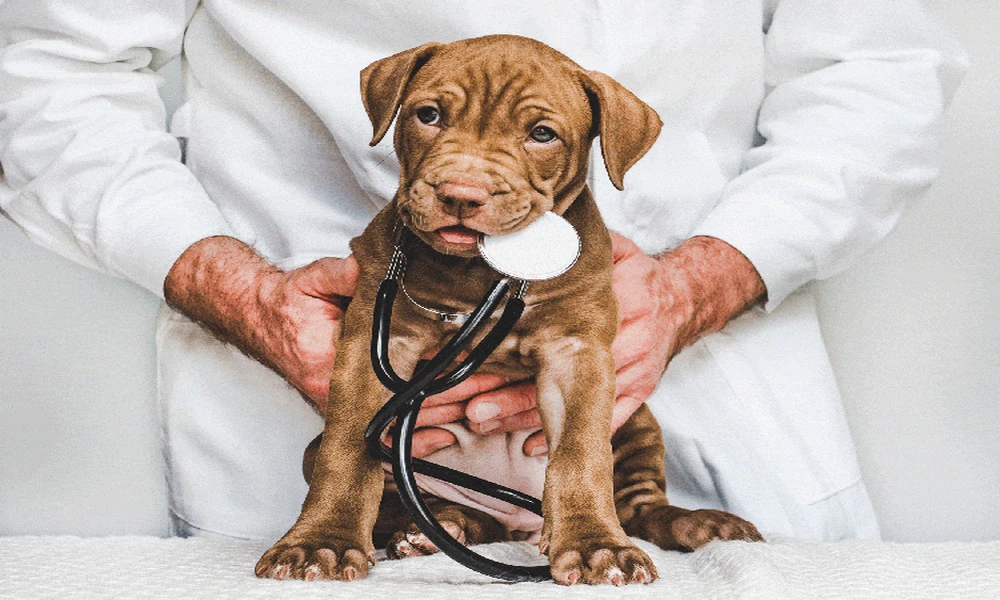
You know the feeling. Your dog skips breakfast, your cat hides under the bed, or your senior pet seems a little slower than usual, and your mind starts racing. Is it nothing, or is it the start of something serious? That uncertainty wears on you fast, which is why reaching out to a Faggs Manor veterinarian can bring peace of mind. It affects your sleep, your schedule, and the way you look at every small change in your pet’s behavior.
That is why so many families turn to a general veterinarian. Regular care gives you a steady place to go when something feels off, and it gives your pet a medical history that matters when decisions need to be made quickly. Why pet owners rely on general vets for peace of mind comes down to something simple. You want trusted care, clear answers, and a plan that helps you protect the animal who depends on you.
General veterinarians provide steady care when pet health feels uncertain
Most pet health concerns do not begin with a dramatic emergency. They start small. A loose stool. A missed meal. Extra thirst. A lump you are not sure was there last week. When you already have a relationship with a general veterinarian, you are not starting from scratch. Your vet knows your pet’s baseline, which makes it easier to spot what has changed and decide what needs attention now.
That relationship also lowers the emotional strain. You are not scrambling to search symptoms at midnight and trying to sort helpful advice from panic-driven guesses. A general vet helps you separate routine issues from urgent ones, and that clarity alone can calm a hard day.
Routine veterinary care for pets also protects you from the slow build of preventable problems. Dental disease, weight gain, skin issues, parasites, and chronic conditions often develop quietly. Left alone, they become harder and more expensive to treat. Caught early, many can be managed with far less stress for you and your pet.
The same logic applies to public health. Good pet care supports the people in the home too, especially when it comes to hygiene, vaccines, and parasite prevention. The CDC offers practical guidance on healthy pets and safe pet ownership, which reinforces how regular veterinary oversight helps reduce risk for everyone.
Peace of mind comes from prevention, not just treatment
A lot of pet owners think of the vet as the place you go when something is already wrong. That is part of the job, but it is not the whole picture. A general veterinarian tracks growth, weight, behavior, mobility, diet, vaccine timing, lab work, and age-related changes over time. Those check-ins create context. Context is what keeps a small issue from becoming a crisis.
Think about a middle-aged dog who starts drinking more water than usual. On its own, that may seem easy to dismiss. In the hands of a general vet who knows the pet’s history, it may lead to testing that catches diabetes or kidney disease early. The same goes for a cat that seems “just picky” but is actually losing weight, or a puppy whose itchy skin points to allergies, fleas, or infection instead of “sensitive skin.”
This is one reason many owners trust a primary vet for pets rather than waiting until they need specialty care. Specialists matter when advanced treatment is needed, but general veterinarians are often the first line of defense. They catch patterns, coordinate care, and help you avoid unnecessary delays.
The American Veterinary Medical Association shares reliable advice on pet care for owners, and much of it reflects the same truth. Consistent care supports better daily health and better decisions when problems show up.
General veterinarian care often saves money by reducing bigger problems
Stress is not only emotional. It is financial too. Few things hit harder than hearing your pet needs urgent treatment for a condition that could have been managed months earlier. General vet visits are an ongoing expense, but they often help prevent the far higher costs tied to emergency care, advanced disease, or untreated pain.
This does not mean every problem can be prevented. Pets still get sick. They still age. Accidents still happen. What routine care does is reduce the number of surprises and give you a better shot at early intervention, which usually means more options and lower overall cost.
| Situation | Without Regular General Vet Care | With Regular General Vet Care |
|---|---|---|
| Minor weight gain | Often missed until mobility or joint pain develops | Tracked early with diet and activity changes |
| Dental disease | Detected after pain, bad breath, or trouble eating | Found during exams before severe infection sets in |
| Parasites | May spread in the home or cause ongoing illness | Prevented or treated early with routine screening |
| Chronic illness signs | Symptoms dismissed until condition worsens | Changes in thirst, appetite, or energy flagged sooner |
| Emergency decisions | No established medical history or trusted contact | Vet has records and can guide next steps faster |
Animal health guidance helps owners make calmer, better choices
When you are worried, too much information can feel as bad as too little. Search results can make a mild issue sound terrifying, and social media advice often skips the details that matter most. A general veterinarian gives you guidance based on your actual pet, not a broad guess. That kind of support is hard to overstate when you are trying to decide whether to monitor, schedule a visit, or act right away.
Reliable education also matters outside the exam room. The AVMA’s resources on animal health and welfare help owners understand what good care looks like across a pet’s life. The more you know about normal behavior, preventive care, and warning signs, the less helpless you feel when something changes.
Simple steps make general vet care more useful right away
Track changes at home. Write down shifts in appetite, water intake, bathroom habits, energy, weight, and behavior. Small notes give your general veterinarian better clues, and they help you notice patterns that are easy to forget in the moment.
Schedule routine exams before a problem starts. Do not wait for your pet to look sick. Preventive visits help catch hidden issues, update vaccines, review parasite prevention, and adjust care as your pet ages.
Build one go-to source for care decisions. Choose a general veterinarian you trust and keep your records current. When something changes, you will know who to call, what your pet’s history shows, and what steps make sense next.
Your concern for your pet is not overreacting. It is part of loving an animal who cannot explain what hurts. A general veterinarian gives you more than treatment. You get continuity, perspective, and the comfort of knowing you are not guessing alone. If your pet is due for a checkup or something has felt off lately, schedule a visit for general veterinarian care and get the reassurance that comes from having a clear plan.

Comments are closed.