

You finally got the puppy in the car, found the leash, packed the treats, and then the squirming started. Maybe your pup whines in the carrier, chews the seatbelt, or turns into a slippery little tornado the second you walk into the clinic. That stress is real. A first veterinary visit with a puppy can feel bigger than it looks, because you are not only trying to keep your dog calm, you are also trying to make sure nothing gets missed during an important general veterinarian appointment, including veterinary dental care in Roanoke.
The good news is that most puppies can learn that the clinic is not a scary place. A few small changes before the visit can lower fear, help your puppy settle faster, and make the exam easier for everyone in the room. When you know what to bring, how to practice at home, and how to time the visit, you walk in with a lot more control.
Wriggly puppies struggle when the veterinary visit feels new and overwhelming
Puppies are still learning what the world means. Strange smells, unfamiliar people, slick floors, barking dogs, car rides, and gentle restraint can all pile up at once. Your puppy is not being stubborn. Most of the time, that wiggling, mouthing, and frantic energy comes from excitement, uncertainty, or plain exhaustion.
If a puppy has one rough visit, the next one can get harder. That is why early prep matters. Cornell’s Riney Canine Health Center shares practical ways to make veterinary visits less stressful for dogs, including getting dogs used to handling and pairing the clinic with rewards. Those small experiences add up.
The pressure gets sharper when you worry that the vet will judge your puppy’s behavior or that the exam will be rushed because your dog will not hold still. That fear can make owners tense, and puppies pick up on that fast. You tighten the leash, your voice changes, your pup squirms more, and the whole thing feeds itself.
A calmer visit starts before you leave home. Illinois veterinary experts also recommend planning ahead for your puppy’s early care and routine, including what to bring and what questions to ask during your new puppy’s veterinary care. Preparation helps the appointment feel less chaotic and more useful.
Six practical ways to prepare for a puppy vet appointment
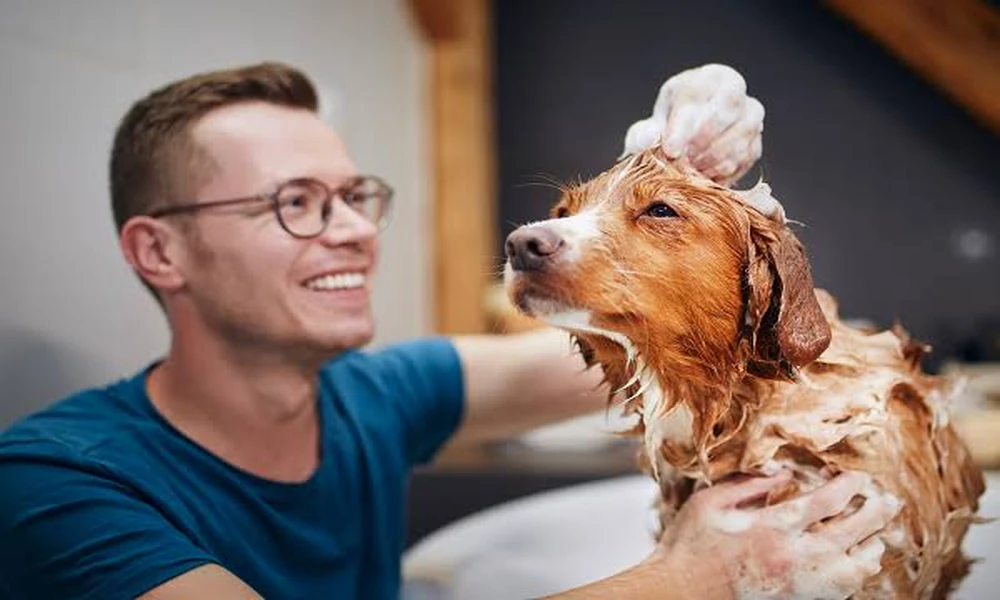
1. Practice gentle handling at home. Touch your puppy’s paws, ears, mouth, and belly for a second or two, then reward. You are teaching your dog that being examined is normal. Keep it short and calm.
2. Bring high value treats. Soft, easy to swallow treats work best. You want something your puppy loves enough to notice even in a busy waiting room. If your vet needs your puppy distracted during vaccines or nail checks, those treats can help.
3. Use the car for short, boring trips. If every ride ends at the clinic, the car itself can become part of the stress. Take a few brief drives that end back at home or somewhere pleasant.
4. Time the appointment well. A puppy with pent up energy may bounce off the walls. A puppy who skipped a nap may melt down. Try a short walk, potty break, and a little quiet time before you leave.
5. Pack records and questions. Bring vaccine history, food details, medications, stool concerns, and a list of anything you have noticed. When your puppy starts climbing your shoulder in the exam room, you will not want to rely on memory.
6. Ask the clinic about low stress routines. Some clinics can have you wait in the car, use a quieter entrance, or go straight into an exam room. Virginia Tech’s animal care team offers tips for stress free veterinary trips, including carrier practice, calm transport, and reward based handling.
Small preparation changes can lower stress during a general veterinarian visit
Owners often try to “just get through it,” but that approach can backfire. If your puppy arrives hungry, overstimulated, and unfamiliar with being handled, the exam can turn into a wrestling match. If your puppy has already practiced standing still for a treat and riding in the car without panic, the same appointment often looks completely different.
| Preparation step | If you skip it | If you do it |
|---|---|---|
| Handling practice at home | Puppy fights ear, mouth, and paw checks | Puppy is more likely to accept the exam with less restraint |
| High value treats | Harder to redirect fear or frantic energy | Rewards help build a positive link with the clinic |
| Short practice car rides | Car anxiety starts before arrival | Transport feels more routine and less loaded |
| Potty break before the visit | Accidents add stress and embarrassment | Puppy is more comfortable in the waiting and exam rooms |
| Written questions and records | Important concerns get forgotten | You leave with clearer answers and a better care plan |
This is where preparing for a puppy vet checkup pays off. You are not trying to create a perfect puppy. You are reducing the number of things your dog has to cope with all at once.
Three steps you can take before your next veterinarian appointment
Build a two minute daily handling routine. Once or twice a day, touch one paw, lift one ear, look at the teeth, and reward. Stop before your puppy gets restless. That short routine does more for a puppy vet visit than one long stressful practice session.
Create a vet day bag. Put treats, waste bags, vaccine records, a towel, and your question list in one place. Add a favorite chew or small blanket if that helps your puppy settle. When appointment day comes, you are not scrambling.
Call the clinic ahead of time. Tell them your puppy is extra wiggly or nervous. Many general veterinarian teams can suggest the best appointment time or adjust the check in process. That one phone call can make the whole visit smoother.
A calmer puppy veterinary appointment starts with simple preparation
You are not overreacting if these visits feel stressful. Puppies are busy, impulsive, and still learning how to be in the world. With a little practice and a plan, the clinic can become one more normal place instead of a full body panic event.
If your puppy has an appointment coming up, start with one or two of these steps today and build from there. Steady preparation helps your dog feel safer, helps the exam go more smoothly, and helps you walk in feeling ready.

Comments are closed.