

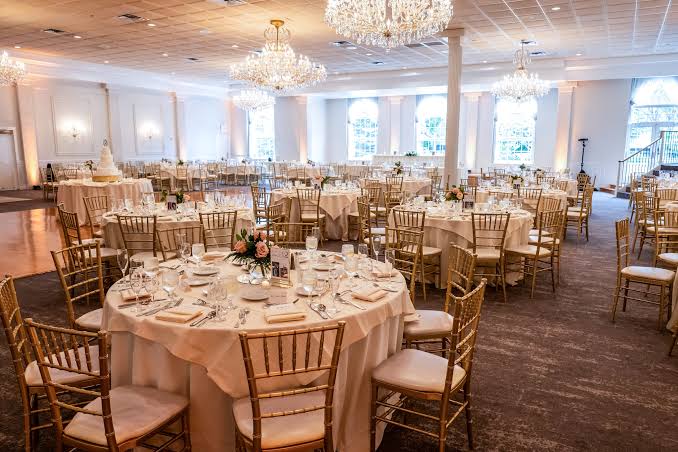
Selecting an event venue in suburban Chicago is about much more than finding a beautiful space. Transportation, parking, and guest comfort all influence how memorable and stress-free a celebration feels, especially for weddings and milestone gatherings. With venues in Oak Brook and DuPage County, the balance between charm and convenience depends on how access matches the needs of guests and planners. Costs, parking models, and transit options can vary widely.
By weighing these factors early, event hosts can help ensure a smooth arrival and a welcoming experience for every guest.
Comparing Suburban and Urban Venues: Guest Arrival and Transit Differences
Venue location shapes how guests arrive and how easy their trip feels. Urban sites in downtown Chicago often give attendees the option to use public transit, with trains and buses running late and stops close to event spaces. Suburban venues in places like Oak Brook or DuPage County may not have the same transit reach, so most guests will rely on driving or carpooling. This difference means suburban weddings may need more parking and clear directions, while city events might see more guests arriving without cars.
The convenience of nearby hotels can also vary, with suburban venues sometimes offering larger lots but fewer walkable lodging options. Choosing a wedding venue in DuPage County will often mean balancing parking needs against the ease of city transit, so couples should ask about both when comparing options for affordable wedding venues chicago.
Evaluating Parking Options: Onsite Availability, Shared Lots, and Extra Costs
Parking is one of the first things couples should evaluate when selecting a venue in suburban Chicago, as options can affect guest comfort and event-day logistics.
- Onsite parking lots are a common feature at suburban venues, offering the most direct access for guests who drive. A large lot can be convenient, but it is worth confirming the number of spaces, whether spots are reserved for vendors, and if there are any posted time limits or overnight restrictions.
- Some venues use shared lots with nearby businesses or neighboring event spaces, especially in busy retail or mixed-use developments. These lots may seem spacious at first, but availability can change based on other events or peak shopping hours. It helps to ask the venue about typical crowding or overflow arrangements during weekends and evenings.
- Extra parking costs can surprise guests and hosts alike. Certain venues may charge a flat fee for parking, require valet service, or pass along charges for premium spots close to the entrance. Factoring these possible expenses into the overall event budget helps prevent last-minute stress and allows for better planning.
Proactive Planning: Navigating Limited Parking with Shuttles and Rideshare Solutions
Limited parking at suburban wedding venues in DuPage County can be managed with a proactive approach.
- Shuttle service is a practical option for events with offsite parking or large guest counts. Venues or couples may coordinate shuttle pickups from nearby hotels or overflow lots to the venue entrance.
- Rideshare partnerships can help guests who prefer not to drive. Some venues provide a dedicated drop-off area for rideshare vehicles, making arrivals and departures easier during busy event times.
- Coordinated arrival schedules can reduce congestion in small lots. Sharing clear instructions with guests about staggered arrival or loading zones helps avoid last-minute parking stress.
- Communication is key for guests who need extra help. Sharing maps, shuttle timetables, and rideshare details in advance keeps everyone informed and lessens confusion.
- Thinking ahead about transportation helps couples match the venue’s advantages with guest comfort and event flow. This planning can make even venues with tight parking feel seamless for everyone.
Accessibility Matters: Ensuring Comfortable Access for Elderly and Disabled Guests
Venue accessibility for elderly and disabled guests in suburban Chicago involves several key factors. Entryways should have ramps or level paths for those using wheelchairs or walkers. Restroom access is another core need, so confirm that facilities are on the same floor as the main event space and offer enough room for mobility aids.
Look at parking proximity to the entrance. A designated drop-off area or accessible parking spaces can reduce the distance guests must travel. Some venues provide golf carts or staff support to help guests move from parking to the event.
Clear outdoor lighting and well-marked signs make it easier for guests with low vision or reduced mobility to find their way. For multi-story venues, elevators should be available and working, not just stairs. Event hosts can ask about seating options that allow extra space or easy aisle access. These steps help every guest feel welcome and comfortable. Making access a priority often eases stress for families and helps ensure the celebration is remembered for the right reasons. Venue convenience in suburban Chicago depends on several practical factors. Suburban event spaces often require guests to drive, as public transit is less available than in downtown Chicago where trains and buses are close to most venues. Parking is usually easier at suburban locations, but it is wise to confirm onsite lot size, potential fees, and whether there are restrictions or shared use with other businesses. Limited parking can be eased with shuttle services or rideshare drop-off zones, especially for large groups or events with many out-of-town guests.
Couples should also look for accessible entryways, nearby restrooms, and short paths from parking to venue doors to support elderly or disabled guests. Prioritizing both transportation and parking details when comparing venues helps planners create a more comfortable, inclusive, and memorable event.

Comments are closed.