Category

Business

Category

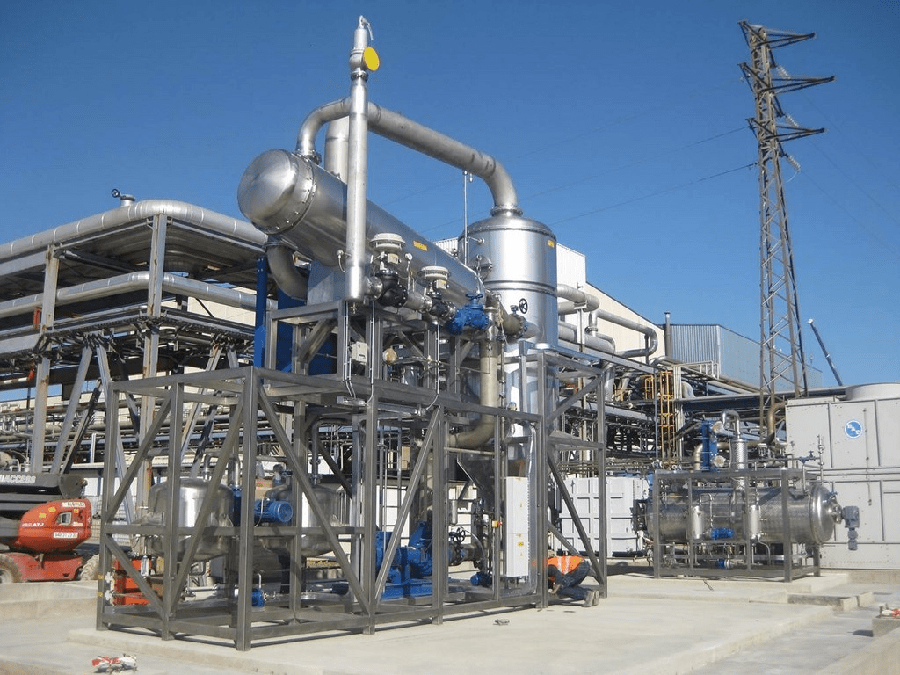
Brine is water with high concentrations of salt. Production, storage, and usage of brine require expertise. It is used in various industrial processes. Brine for industrial tanks is used in multiple applications. Notably, high brine concentrations in effluents must be treated before it is released.

Food Industry

Brine is added to food to prevent decay and also softens it. When meals are prepared in industries, brine is produced. It has to be treated before it is released. Brine is used to preserving foods like meat, fruits, and vegetables.

Textile Dyeing Houses

Pollutants are released in the water during the textile dyeing process. One of the advantages of using brine in the textile industry is that it reduces pollution more so in dyeing cotton. Law-molecular-weight salt (LMWS) is used as an auxiliary agent. The reduced pollution is advantageous to the environment as the brine water is reused.

Water Treatment

Brine is not toxic, but water has to be treated before being released. This helps in removing hard materials in water, such as calcium and other ions that cause hardness. Apart from keeping the environment from being polluted, it is an economical way to treat water. The products released after treatment are easy to manage.

Municipalities

Municipal landfills produce leachates that are harmful and require treatment before being released. If discharged before treatment, it is detrimental to the environment. During treatment, all the waste that contained brine at the origin is released from the leachate.

Leather Industry

In the leather industry, both the products used and released are highly contaminant. In tanning and softening, animal skins, sodium chloride, sodium sulfite, and sodium carbonate are used. Other salts used are sodium hydroxide and caustic soda, among others. Some of these salts are used in drying, lubrication, fishing, and conditioning. All the components used are discharged through wastewater. However, even after the treatment of effluents, they remain with high salt concentration.

Gas and Oil Industry

While recovering oil and gas, there is a production of brine. Oil is mined near rock salts. After the oil is drilled, it is then displaced to the surface through the injection of brine. As to avoid contaminating the environment, the excess brine must be treated before it is released.

Chemical Industry

In the chemical industry, fire and heat are used. The chemicals released are also hazardous to the environment. Brine is used in cooling these fluids before they are released; moreover, it is economical and has low toxicity.

Power Generation Plants

In power plants, a lot of water is used, which later becomes wastewater. The wastewater carries a lot of impurities that are a threat to the environment. They have a high concentration of salts; thus, they must be treated before they are discharged.

Desalination of Seawater

Seawater has high concentrations of salt. Technology is used to desalinate seawater to drinking water. In any process used, brine steam is always produced, and it has to be managed to avoid polluting the environment.

Brine is used widely, though it might not be toxic, it is a threat to marine life. Therefore, all effluents must be taken care of before they are discharged.

What is a DBA?

Filing a DBA, also known as an assumed name, trade name, or fictitious name, is an easy process that is achieved by registering with your state, county, and/or city. There are a few reasons a business might apply for a DBA but the central focus of course is the belief that the prospective name change would be good for business.

What’s the point of having a DBA?

A DBA can accomplish several things for business owners. If a business wishes to rebrand itself without forming a new limited liability company or corporation, they can simply register a DBA instead. If a business receives bad publicity, they may register a DBA to mislead the public into thinking that their business has changed for the better or indeed is an entirely different company.

Do I need a lawyer to file a DBA?

You don’t need a lawyer to file a DBA. The process is normally easy and there is no need to spend your hard earned money on any unnecessary legal fees. All the information you will need on how to file a DBA is here on this website: file a DBA now This site has all the information you will need and you will be able to see that the process of filing a DBA is rather straightforward. Lawyers are generally only required in specific circumstances.

How do you file a DBA?

There is specific paperwork that needs to be filled out, as well as a filing fee. You can do all of this with a local or county agency, but some states require you to file with a state agency instead of, or in addition to, the county. Some states and counties might also require you to publish it with a local newspaper, giving the public notice that you have filed a DBA. However for the average business this is not normally necessary.

You will need to check the specific requirements for your state. For example in New York, sole proprietorships and general partnerships must file a business certificate listing their assumed names with the county clerk’s offices. Corporations, LLCs, LLPs and limited partnerships, on the other hand, must file assumed names with the New York Department of State. In contrast, the state of Kansas has no requirements for businesses to register fictitious names.

Potential uses for a lawyer

Once you’ve chosen your business’s fictitious name and registered it locally, you might want to consider filing for a trademark with the U.S. Patent and Trademark Office to protect your intellectual property. Trademarks protect words, names, symbols, sounds or colors that distinguish goods and services. If the paperwork and filing process seems like too much to comprehend, you can contact a business lawyer to complete all the necessary filings to secure your DBA name. Reputable business lawyers are listed by the American Bar Association.

Is My DBA Name Protected?

There are some cases where legal help might be needed. This can occur when you want a name that might be considered to close an existing business. There are laws that prevent DBAs that are too similar to existing ones from being used, but this varies from state to state. This limited protection would end at the state’s border. However, it is possible to trademark a DBA, which would offer protection across state lines. Another scenario is where the name might be viewed as controversial in some way, A good example of this would be when a business wants to use a name which might be considered defamatory to their competition.

https://www.youtube.com/watch?v=5A0mleD6SKQ&feature=emb_title

Conclusion

If you need a lawyer for a DBA, it will be because your case has met specific circumstances, where extra legal help might be required. The average business owner however does not want hefty legal fees over a simple name change or an attempt at rebranding their product. Larger companies are more likely to make use of a lawyer if they feel the expenses will be financially worth it.


Having a pool in your backyard gives you an oasis from the heat and a place to get away from the stress of the world. However, your pool could cause stress if you do not control the dangers around it. Everything from the pool deck to the water could cause injuries to you and your family. Knowing how to make your pool and the entire area around it safer will preserve both your mental health and your family’s physical well-being.

1. The Deck

The deck around your pool provides your family with a safe way to enter the water. If you don’t have a deck and an above-ground pool, people can only access the pool via a ladder. Excited kids can easily fall from the ladder while trying to get into the pool. Additionally, not having a deck around an above-ground pool creates a hazard if someone tries to sit on the ledge of the pool. If they fall back, they will tumble several feet backward and strike the ground.

While not having a pool deck is dangerous, you must ensure that you choose a deck with a waterproof, non-slip surface. After installation, you must maintain the deck regularly to ensure the integrity of the surface and that it will not hold water that swimmers could slip on.

2. The Fence

If you have a pool, you must have a fence around it to protect your kids and other children in the neighborhood. In fact, many municipalities require fences with locks around pools to prevent kids from sneaking in and swimming unattended, putting them at risk of drowning. Check your local requirements and make sure that your pool fence stands up to them every year.

The American Academy of Pediatrics recommends a fence that surrounds the pool on all four sides, has a latch that only an adult can open, does not allow children to climb or squeeze through, and stays locked when not using the pool.

3. The Water

Just as you need to regularly check the integrity of your pool deck and fence, you also must maintain the water throughout the swimming season. Poorly balanced pool chemicals or dirty water can cause the pool to have a strong chlorine scent that can affect those with breathing problems. People carrying dirt on their bodies into the pool or using the pool as a toilet are among the biggest offenders of germs in pool water.

To keep the water as clean as possible, have everyone rinse off before entering the pool. Plus, do not allow your children to use your pool water as a toilet. Also, regularly check the pH and chemical levels to keep germs at bay and the water clean and healthy.

A Safer Pool Starts With You

You are responsible for the pool area and its safety. Before and during the summer, check your pool deck, fence, and water quality to keep everyone happy and healthy throughout the swimming season.

Sources

https://www.healthychildren.org/English/safety-prevention/at-play/Pages/Pool-Dangers-Drowning-Prevention-When-Not-Swimming-Time.aspx

https://www.webmd.com/parenting/news/20190701/crypto-other-dangers-abound-around-the-pool

https://www.capitaldeckandstair.com/our-services/pool-decks/

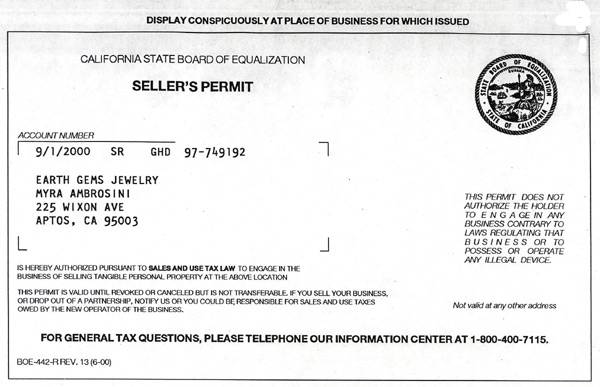
Do you operate a business in the state of California and plan on selling your products at a fair, farmer’s market, or someplace else? If so, you’ll need to register for a California seller’s permit. This can be an overwhelming process if you do it all on your own. That’s why it’s a good idea to seek assistance from a professional who can guide you and do the heavy work for you.

Reasons for Getting a California Seller’s Permit

Do you need convincing to register for a California seller’s permit? It’s definitely a good idea if you are selling tangible goods and in fact, it’s required by state law. This is also known by the terms resale license, wholesale license, and sales permit. If there will be sales tax on these items you do need to have your seller’s permit. This is necessary regardless of the type of business you have, even if your corporate office is not in California.

What Do You Need to Provide to Register for a California Seller’s Permit?

In order to get a resale permit from a company, you should have the following:

  • Business name
  • Entity type
  • Social security number of the business owner
  • A driver’s license number for the operator or owner
  • Business phone number and address for it
  • The projected monthly sales

Display Your California Wholesale License

Once you get your seller’s permit, you’ll need to display it where you’re selling items. If this is at a brick-and-mortar store, you must prominently display it for instance on the door or a front window. This will prevent any misunderstandings or potential legal issues if you’re selling products and someone official notices you don’t have your permit readily on hand.

Note that you will have to file business taxes if you have a seller’s permit in California.

Obtaining Your Resale License

It’s easy to register for a seller’s permit in California when you have the help of a trusted company to be your go-between in the process. You even can go online and fill out a form to get all the information at once and in one spot to file for it. No more hassle of having to wait in lines or go back and forth with a government office if you aren’t prepared from the beginning. You don’t need to stress and can put your focus on other important matters when you have this help on your side. It’s in your best interest to conduct this quickly so you can be in business the way you want and have all legalities out of the way.

Although you might think that there are no actual business card rules for small business owners to follow, this sentiment is actually far from the case – effective business cards provide so much more than run of the mill cards featuring just a name and contact information. Clever use of design and the space on the card can yield results that make a business card stand out, but it is also important to ensure that you abide by certain design requirements to guarantee that your business card is actually legible. To help you understand how to make the perfect business card, in this article we provide some simple and interesting tips to get you well on the way to business card success.

Business card tips to get you started

If you’re looking to get fast business card printing but are unsure about what to actually put on your cards, the best place to start is usually knowing that you should only be including only enough information to interest anyone reading your business card, while still ensuring that it remains memorable – although you may occasionally be tempted to include a heap of information to convey everything you want interested parties to know, sometimes they should be compelled to find out the information for themselves – including everything about your business – social networks, taglines, every contact detail imaginable – will inevitably require you to shrink the font size, and that’s the last thing anyone reading a business card wants. This is because you need your business card to be completely legible at a glance – a quick look should tell your reader everything they need to know, which in turn makes them much more memorable. This also means that you should avoid any fonts and colours that make your message unclear – the only bit of distraction you might want to include on a business card is the clever use of your logo.

Make yourself look professional

If you’re wanting to make a good first impression, it’s always a good idea to get your business cards printed professionally. DIY business cards will always look like you printed them at home (except if you have a very high quality printer handy), and this cheapness never comes across as a positive for potential clients. When you do pursue this professionally printed route, it’s also important to not go too outlandish with all of the finer details that you have available as options. Finishes – including  rounded corners, die cuts, punched holes, unusual sizes, embossing, foil accents, and folds – should be considered carefully in relation to your brand, as they may scare off people quickly in industries unfamiliar with such touches. Design for your audience. Finally, it’s never a bad idea to provide a very concise and simple call to action to drive people to act in a certain way – as this option can take up very valuable space on a business card, it’s certainly not an option for everyone.

Is it time for you to implement some clever business card design?

In short, highly effective business cards require more than basic name and contact information – investing time into making your card stand out (without getting too crazy) is the best possible way to ensure that your business card won’t be thrown out as quickly as you are able to hand it out. Although you might think that it’s too small a space to work with, there are countless things you can do to make a creative card – sometimes you just need to think outside the box.