Category

Home Improvement

Category

For many people, buying a house is the most expensive investment they make. It will be your responsibility to make sure everything is in order before you buy a home. A real estate agent, the developer, or the previous homeowner may not be honest about everything regarding the house you plan to purchase from them.

Please do your due diligence to make sure you purchase something worthwhile. In this article, we share with you tips to ensure you have a gratifying home-buying experience.

What to Consider Before Buying a House

There are several things to consider before buying a house, as outlined below:

Your Finances

The first step to buying a home is to get your finances in order. You need to pay off debts, work to save for a down payment, and make smart credit decisions.

Working to pay your debts off will help make your mortgage approval process an easy one. 

Lenders will see you as less credit risk.

Things can be even easier if you can raise a 20% down payment for the house you plan to buy.

Your Credit Score

Your credit score is one of the significant determiners of your loan terms. Understand your credit score before trying to get a loan. Focus on fixing it if it falls below 700.

With a good score, you’ll get a low-interest rate, which can save you thousands of dollars for the duration of the loan.  

Location of The Home

Look for a house in an area that allows easy access to the places you frequent the most. These may include work, school, place of worship, shopping, and recreation.  

Make sure the location offers easy access to the main roads. Checking this out before buying a home can save you from unreasonably long commutes.  

The Size of The House

While it can be very tempting, avoid purchasing a larger space than what you need. A bigger house means more utility bills to pay, more space to maintain, and more things that might go wrong.

Consider the size of your previous house and how much space your possessions require. If the homes available appear bigger than you need, consider buying a townhouse or condominium.

The Expenses Involved

There are many types of fees involved in a home purchase. In addition to the mortgage, there may be insurance, property taxes, association fees, and repair costs. Make sure you have the budget to handle all of these expenses if they apply to your purchase.

Find a Trusted Realtor

Homebuyers tend to avoid Realtors. They believe the commission paid to a Realtor drives up the overall cost of the house.

However, a savvy Realtor can help you get a good deal overall. Choose a Realtor who can protect your interests and guide you through the entire buying process.  

Conclusion

Buying a house can be a daunting process, especially if you are a first-time buyer. It would help if you got several things right. The above tips can help you make a wise decision when it comes to a home purchase. For more information, visit Mojo House and Land


All home appliances slowly wear out over years of use and need to be replaced or repaired, but when your water heater breaks down the problem can be much bigger than being surprised by a cold shower. If you don’t invest in regular water heater repair or replace your water heater before it quits working completely, you could have a major leak on your hands and expensive water damage in your home.

Fortunately, you don’t have to wait for disaster to strike. Here are 4 ways you can know that it’s time to repair or replace your water heater before the damage is done:

Rattling and Rumbling

When a water heater ages, sediment builds up at the bottom of the tank. This sediment hardens into a solid mass as it’s heated and reheated, making the water heater less efficient.

If it sounds like a herd of elephants or a drum line is coming through your home every time you turn on the hot water, it’s time to replace your unit. It won’t be long before the hardened sediment begins to create tiny holes and cracks in the tank, leading to leaks and water damage.

Rust, Corrosion, and Water Discoloration

Take a look at your water heater and note any areas of visible rust or corrosion. Specifically, look around the inlet and outlet connections and the temperature and pressure relief valves, as these are places that will show corrosion first.

Similarly, if you notice rusty water coming from your heater, the most likely cause is rust inside the tank. To be sure that the rust is coming from your water heater and not your pipes, empty the water into a gallon bucket. If the water isn’t running clear after two or three buckets, your tank is rusting and needs to be replaced.

Pools of Water Around the Heater

As the metal heats, it expands, which will force water out of any small cracks or fissures in the tank. When the tank cools, the leaking stops, resulting in small pools of water around the water heater but not a full-fledged leak.

To make sure that the water is coming from the heater, check the temperature overflow pipe and all connections and fittings. If these are dry, then the water is coming from the tank and the heater needs to be replaced.

Lukewarm Showers and Dirty Dishes

Maybe you hopped into the shower and couldn’t get the water to your preferred temperature, even after cranking the hot faucet all the way up. Or, maybe you opened your dishwasher to discover the dishes didn’t get the heated rinse they need to get sparkling clean. If your water isn’t getting heated, it’s usually a sign that your heater is beyond repair and needs to be replaced.

In addition to these four signs, keep tabs on the age of your water heater. Depending on use, most units last around 10 years. If your unit is over 10 years old and located where a leak could cause significant water damage to your home, it’s best to get it replaced rather than risk further use.

To keep your water heater in proper working order and extend its life, consider regular maintenance checks and scheduled water heater repair. Contact us for more information or to schedule a maintenance check. It could save you thousands!


Le Corbusier is one of the most recognizable names in the Bauhaus movement. Partnered with Pierre Jeanneret and Charlotte Perriand, his studio was responsible for churning out some of the greatest modern furniture pieces. Their current relevance and timeless aesthetics set a precedent for modern designers, so in appreciation, here are 5 Le Corbusier Bauhaus furniture pieces to design a timeless home:

  1. LC7 Swivel Chair

6

Designed in 1927 and manufactured in 1978, the LC7 Swivel chair redefined the work-life aesthetics. It was a pioneering piece of Bauhaus furniture that introduced the world to the concept of revolving armchairs. Its tubular structure is the signature Le Corbusier invention that can be found in many of his latter designs as well. It’s available in 2 different versions – one that comes with 4 legs, and another that comes with 5. It’s comfortable bolstering, ergonomic designing, and unique form make it a very distinctive modern furniture piece.

  1. LC4 Chaise Lounge

7

No Bauhaus furniture list would ever be complete without mentioning Le Corbusier’s LC4 chaise lounge. Designed to complement the shape and contours of the body while lying down, this chaise presents the most comfortable ergonomics that you’ll ever encounter. Its sleek form and stylish countenance add to the overall charm of the piece. It’s definitely a Bauhaus inspired masterpiece, if you’ll ever see any.

  1. LC Casiers Standard

8

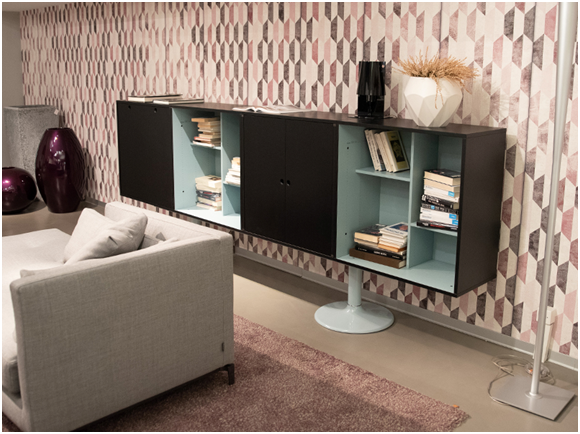
The LC Casiers Standard may have been the very first of what we call a buffet or a sideboard today. The console style design of this piece is as minimalist as they come – a simple rectangular form with a straight-laced asymmetric arrangement of compartments resting on tall chrome plated legs. It was first designed in 1925 and features all the trappings of the best Bauhaus furniture, but did not go into production until 1978. After its great commercial success, this console was revamped and re-manufactured in 2016 and remains a success story to this day.

  1. LC1 Chair

9

This sling chair is a Le Corbusier classic and is one of the most iconic Bauhaus furniture pieces that you will ever come across. It was designed in 1928 and features a polished trivalent chrome plated structure along with pony/cowskin/leather seat and arms. The super compact design was appreciated for its simple design and efficient ergonomics. There are 3 different versions of this chair and the 1928 model was first introduced to the world at the Salon d’Automne in 1929. It’s a classic and makes a great accent piece in contemporary interior designs.

  1. LC11 Table

10

Simplicity was a keynote element of every Bauhaus furniture and it doesn’t get any more straightforward than the LC11 table. With its grey enameled steel structure and cast iron base, this table’s pure, unadulterated, unembellished quality made it an instant modern masterpiece. Their natural walnut top show off the authenticity of the material palette and the overall look inspires a sleek sophistication. Designed in 1935, the table didn’t go into production until 1985.

These are some of the few Bauhaus furniture pieces that Le Corbusier designed and are quite beloved even today.

It’s no secret that renting a moving truck isn’t always cheap—especially during a long-distance move. Regardless of location, it only makes sense to maximize on the space you’re paying for while ensuring that your items and valuables make it safely to the final destination. Heed these tips to get the most out of your truck rental.

Packing and Preparing for the Move

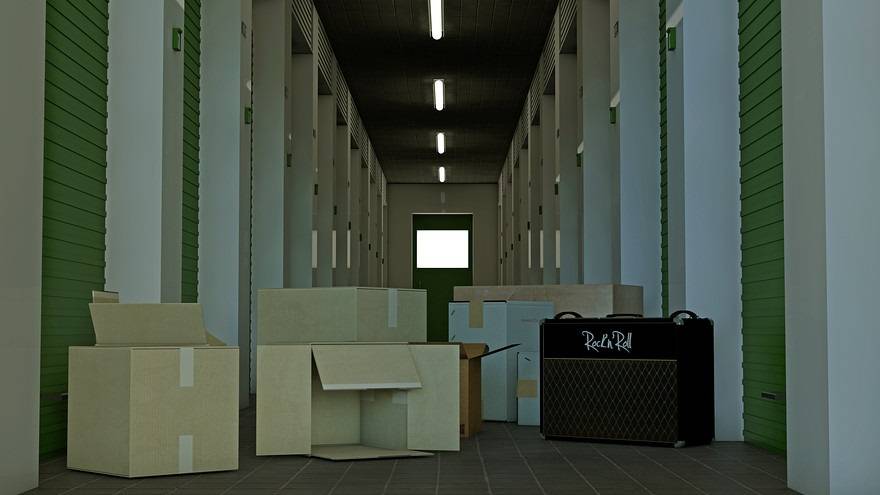
If you can’t take everything at one time realistically or just need space to work with during the transition, renting a self-storage unit can be a game changer. Put things you don’t need NOW in the unit, and carefully wrap, pack and label all the goods you plan to take with you. Organize them by size and weight to ensure lighter boxes go on top and are supported by heavier ones.

Loading the Moving Truck for Traveling Success

Let’s delve into the packing tips step by step.

  • Large Appliances First—These heavy items will need to be situated in the center of the truck for balance or properly aligned on the sides where the weight is somewhat evenly distributed. Secure these with tie-downs or ratchet straps to prevent shifting.
  • Fill in Some Gaps—Place some heavy boxes snuggly around appliances and top them along with appliances with lighter boxes. Extra towels and blankets stuffed between gaps helps prevent scratches and shifting, as well.
  • Big Furniture—Up next is large furniture like mattresses, sofas, recliners, tables, etc. Secure mattresses against the walls to prevent warping or damaging them.
  • Fill Spaces Again—With the bulky items in place, fill in the remaining space with personal items and finish the back of the truck off with goods you’ll need first when unloading such as a dolly and cleaning supplies.

With these tips, your next move can be a seamless as if you’d hired professionals to do the job for you, so happy packing and happy moving!


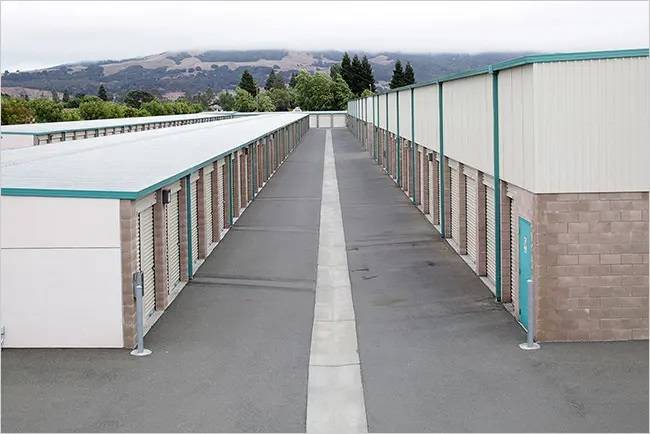
There’s no denying the appeal of having your own kayaks, floatation devices, life jackets, jet skis, and other water-dedicated ‘toys’ in your arsenal. But should those season goodies have a dedicated spot taking up space in your garage? Here’s why you should reclaim your space by securing water equipment in a public storage facility off-season.

Free Your Garage

With cooler temperatures approaching, it’s likely you’ll want to pull up your vehicles into a warm, dry garage—but that’s impossible if your space is consumed by gear.

Of course, if you want to actually use them next year, storing them outdoors may not be an option. Simply placing these items in a storage unit short term or long term makes your carport or garage a viable space again.

Safety and Security

Most of your neighbors and passersby alike are likely privy to the fact that you have some costly water toys harbored at your home. Unless you are subliminally advertising, ‘free stuff, come and take it,’ you might want to keep costly items like jet skis, kayaks, canoes and the like out of sight and out of mind.

Off-site storage can offer you peace of mind, and you can purchase extra insurance or ride off of a homeowner’s or renter’s insurance policy for additional protection for your goods.

Climate Controlled Public Storage Keeps Gear in Top Form

Extreme heat or cold or being set upon the hard ground can result in damage to the hulls of boats and compromise the integrity of numerous materials. However, a climate controlled public storage unit can help ensure that your gear stays in peak condition year round, which is more than most enclosed garages can offer.

If your equipment is intended for years of enjoyment, you’ll want to take advantage of the benefits of off-site storage.