

A garage door that refuses to open or close at the worst possible moment can bring your entire day to a halt. From safety concerns to sheer inconvenience, figuring out what went wrong and how to fix it is essential for every homeowner.
Why Your Garage Door Won’t Open or Close Properly
The signs are rarely subtle. Maybe the door only moves halfway, groans loudly, or simply remains stuck. Intermittent issues can be just as frustrating. Sometimes the remote works, sometimes it does not, and other times the wall switch seems to have a mind of its own.
Common Symptoms of Garage Door Malfunctions
– Door won’t respond to remote or wall switch
– Door reverses direction before closing
– Motor runs, but door does not move
– Unusual grinding or squealing noises
– Door closes unevenly or sticks halfway
Typical Causes Behind Garage Door Problems
Most problems trace back to a handful of culprits: power issues, faulty sensors, damaged tracks, worn springs or cables, or a failing opener motor. Narrowing down the cause is the first step toward a solution.
Diagnosing the Issue: Step-by-Step Troubleshooting
Pinpointing the root cause saves both time and money. A systematic approach starts with the simplest possibilities and works toward the more complicated ones.
Checking the Power Source and Remote Controls
First, confirm the opener has power. Is the outlet working? Try plugging in another device. Check remote batteries and ensure you’re within range. Sometimes, a tripped circuit breaker or a loose wire is the only issue standing between you and a functioning door.
Inspecting the Garage Door Sensors and Safety Features
Modern garage doors rely on safety sensors. If something blocks them, or if they’re misaligned, the door won’t budge. Gently wipe the lenses and make sure both sensors face each other with indicator lights illuminated.
Evaluating the Door Tracks and Rollers for Obstructions or Damage
Over time, tracks can bend, accumulate debris, or shift out of alignment. Visual inspection is key here. Look for dirt, physical damage, or rollers that struggle to glide smoothly.
Testing the Garage Door Springs and Cables
Broken or stretched springs are dangerous to handle and can prevent the door from moving at all. Similarly, frayed or snapped cables will disrupt normal operation.
Assessing the Garage Door Opener Motor and Mechanism
If power, sensors, tracks, and springs all check out, listen to the motor. If it runs but the door does nothing, the drive gear or chain may need attention.
Solutions to Common Garage Door Problems
Some fixes are simple enough for a careful homeowner, but others warrant professional service.
Fixing Power and Remote Control Issues
– Replace remote batteries.
– Reset the opener by unplugging it for a minute.
– Reset tripped breakers.
Realigning or Cleaning Sensors and Safety Eyes
– Remove obstructions and clean lenses.
– Gently realign sensors until both indicator lights glow steadily.
Repairing or Replacing Damaged Tracks and Rollers
– Use a soft brush or cloth for cleaning.
– Tap misaligned tracks gently back into place.
– Replace bent tracks or seized rollers as needed.
Handling Broken Springs and Worn Cables Safely
This is the territory where DIY can get risky. Broken springs are under tremendous tension and can cause serious injury. If you spot a gap in the spring or a cable that’s unraveling, call a professional immediately.
Troubleshooting and Repairing the Opener Motor
– Inspect the chain or belt for slack.
– Listen for grinding noises (a sign the gear may be stripped).
– Refer to the opener’s manual for reset instructions.
When to Call a Professional Garage Door Technician
There’s a line between simple fixes and problems that demand expertise. Broken springs, cables, or opener gears should never be tackled without training and tools.
Identifying Problems Beyond DIY Repairs
If the door is off its tracks, if any component shows significant wear, or if you’re simply unsure, it’s wise to seek out expert help.
Importance of Professional Safety and Expertise
Garage doors can weigh hundreds of pounds, and repairs sometimes involve high-tension parts. The right technician ensures safety and long-term reliability.
How to Choose a Reliable Garage Door Repair Service
Ask about experience, reviews, and emergency availability. Companies like Door Doctor have decades of experience across residential, commercial, and industrial doors, providing both routine and emergency repairs.
Preventive Maintenance Tips to Keep Your Garage Door Running Smoothly
A little attention prevents most headaches.
Regular Inspection Checklist
– Check tracks and rollers for debris or wear.
– Test auto-reverse feature monthly.
– Inspect cables and springs for signs of wear.
Lubrication and Cleaning Best Practices
Apply silicone-based lubricant to rollers, hinges, and springs every six months. Wipe down tracks, avoiding oil buildup.
Seasonal Maintenance Recommendations
In colder climates, clear ice or snow around the door. Inspect weather stripping and tighten all visible hardware.
Emergency Garage Door Repairs: What to Do When You’re Stuck
Sometimes, you need to secure your garage or regain access quickly.
Temporary Fixes to Secure Your Garage
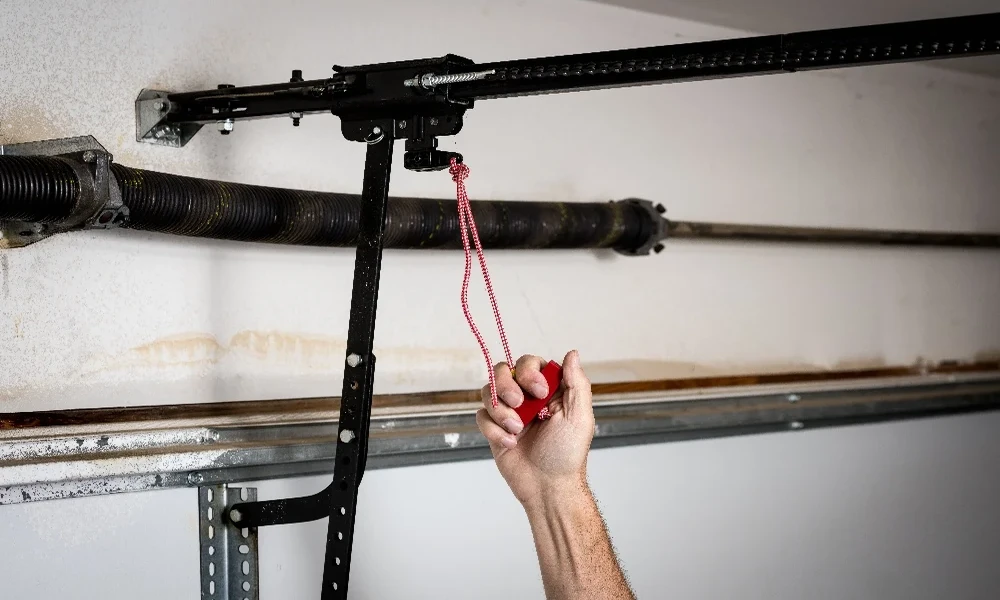
Engage the manual release lever to open or close the door by hand (if safe), and padlock the track as a temporary security measure.
How to Access Emergency Repair Services Quickly
Keep the number of a reputable service handy. Many offer 24-hour emergency response, minimizing downtime and risk.
Final Steps: Testing and Ensuring Proper Garage Door Functionality
Never walk away from a repair job without double-checking everything.
Running Diagnostic Tests After Repairs
Operate the door several times using both the remote and wall switch. Make sure it opens and closes smoothly, without jerking or odd noises.
Safety Checks Before Regular Use
Test the auto-reverse sensors with a block of wood in the door’s path. Only resume normal use once every safety feature works as expected.
A reliable garage door is more than a convenience; it’s a safeguard for your home and family. Whether you fix a minor issue yourself or call in the experts, staying proactive saves frustration and ensures your garage door never leaves you stuck.

Comments are closed.