

Dry indoor air can make a home uncomfortable, particularly during winter when heating systems run frequently. You may notice dry skin, irritated sinuses, static electricity, or shrinking and cracking in wooden furniture. A humidifier can help restore moisture to the air, but choosing the right type depends on your home’s size, comfort needs, maintenance preferences, and budget.
For homeowners considering whole-house humidifier installation in Pittsburgh, PA, understanding the differences between whole-house and portable models is an important first step. Both options can improve indoor comfort when used correctly, but they differ in coverage, installation requirements, daily upkeep, and how effectively they address humidity throughout a home.
How Whole-House and Portable Humidifiers Work
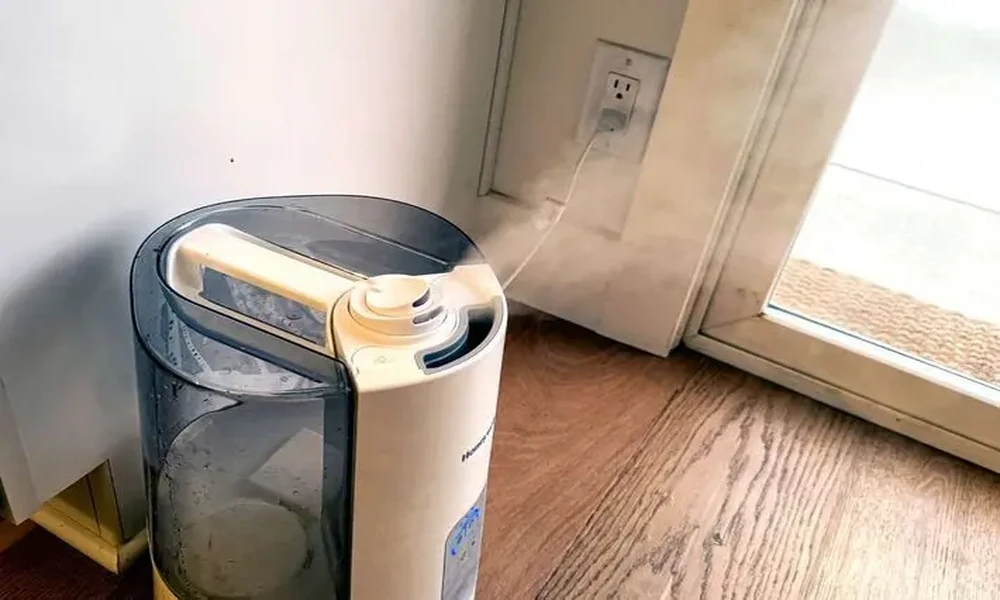
Portable humidifiers add moisture to the air in an individual room. Depending on the model, they may use an evaporative wick, ultrasonic vibrations, or another method to disperse moisture. These units are available in different sizes, making them suitable for bedrooms, home offices, nurseries, and other spaces where dry air is especially noticeable.
Whole-house humidifiers work with a home’s heating, ventilation, and air conditioning (HVAC) system. Typically installed near the furnace and connected to the ductwork, they introduce moisture into the air circulating through the system. Many models connect to a water supply, reducing the need for frequent manual refilling. Depending on the equipment and system configuration, humidity can be regulated automatically or through dedicated controls.
The main difference is coverage. A portable unit treats a limited area, while a whole-house system is designed to distribute moisture throughout the home.
When a Portable Humidifier Makes More Sense
Portable humidifiers are often a practical choice when dryness affects only one or two rooms. For example, someone experiencing dry nasal passages at night may benefit from using a properly sized unit in the bedroom rather than humidifying the entire house.
Another advantage is flexibility. Portable models generally cost less upfront than professionally installed whole-house systems and do not require modifications to existing HVAC equipment. Renters and homeowners who want to address a specific comfort concern can often begin using one with minimal setup.
However, portable units require regular attention. Their water reservoirs need refilling, and tanks, trays, and other components must be cleaned according to the manufacturer’s instructions. Neglecting maintenance can encourage microbial growth and allow contaminants to enter the air. Some ultrasonic models can also disperse minerals from tap water, leaving white dust on nearby surfaces.
Portable humidifiers may also produce uneven results. A unit in one bedroom will not necessarily improve humidity in distant rooms, and a model that is too small for its intended space may struggle to maintain comfortable conditions.
Why a Whole-House Humidifier May Be Better for Larger Homes
A whole-house humidifier may be worth considering when dry air affects several rooms or persists throughout the heating season. Because the system works with the HVAC equipment, it can distribute moisture through the home’s ductwork rather than relying on several separate appliances.
This broader coverage can make humidity management more convenient. Homeowners do not need to carry water from room to room or remember to refill multiple reservoirs. Depending on the model, controls can adjust operation to help maintain a selected humidity level.
Balanced humidity may also help protect household materials. Wood flooring, furniture, musical instruments, and other moisture-sensitive items can be affected by persistently dry conditions. Restoring appropriate humidity can help reduce the risk of drying-related damage, although it cannot reverse existing damage or eliminate every cause of cracking.
Whole-house systems have trade-offs. They generally involve a higher initial investment, professional installation, and ongoing maintenance. The right equipment must also be compatible with the home’s HVAC system, available space, and water supply arrangements. A larger home does not automatically require a whole-house unit; the actual humidity problem and the home’s layout matter.
What to Consider Before Choosing a Humidifier
The best option depends on how much of your home needs additional moisture and how much maintenance you are prepared to handle. Before making a decision, consider these practical factors:
- Coverage needs: A single bedroom may only require a portable unit, while widespread dryness may justify a whole-house solution.
- Maintenance: Portable models need regular refilling and cleaning. Whole-house units also require upkeep, including attention to water panels, filters, or other components specified by the manufacturer.
- Installation: Portable units usually need an appropriate electrical outlet and a stable, level surface. Whole-house systems require an assessment of HVAC compatibility and installation requirements.
- Operating costs: Compare electricity use, replacement parts, water consumption, and installation expenses rather than focusing solely on the purchase price.
- Humidity control: A hygrometer measures indoor relative humidity, helping you understand whether your home actually needs additional moisture.
For most homes, a relative humidity level around 30% to 50% is a reasonable general target during colder weather, although the appropriate setting depends on outdoor temperatures, insulation, and window performance. Excessive indoor humidity can cause condensation and encourage mold growth. If windows regularly collect moisture, reduce the humidifier setting and investigate the cause rather than continuing to add water to the air.
When Professional Assessment Is Worthwhile
Professional advice can be useful when dryness affects multiple rooms, existing HVAC equipment is involved, or you are uncertain about the appropriate humidifier capacity. An HVAC professional can evaluate the heating system, ductwork, home size, and existing humidity controls before recommending a suitable approach.
This assessment is particularly important when considering whole-house humidifier installation in Pittsburgh, PA, where cold winter conditions can make indoor moisture management more challenging. The system should be selected and adjusted with outdoor temperatures and the home’s insulation in mind.
Professional guidance is also advisable if condensation appears on windows, damp patches develop, or musty odors emerge after humidification begins. These signs may indicate excessive moisture, inadequate ventilation, or another underlying problem. A humidifier should address low humidity, not create a new moisture concern.
FAQs
Q.1 Can a portable humidifier humidify an entire house?
Most portable humidifiers are designed for individual rooms or limited areas. Using several units may increase coverage, but it also adds refilling, cleaning, and monitoring responsibilities. A whole-house system is generally more suitable when consistent moisture distribution throughout the home is the priority.
Q.2 Should a humidifier run all night?
A portable humidifier can run overnight if the manufacturer permits continuous operation and the unit is positioned and maintained safely. Use humidity controls when available, and avoid allowing the room to become excessively damp. Follow the manufacturer’s instructions for placement, cleaning, and water use.
Q.3 Can a humidifier help with dry skin and irritated sinuses?
Adding moisture may relieve discomfort associated with dry indoor air. However, symptoms can have other causes, including allergies and medical conditions. If irritation persists despite maintaining appropriate humidity, consult a healthcare professional rather than relying solely on a humidifier.
Q.4 How often should a humidifier be cleaned?
Cleaning frequency varies by model. Follow the manufacturer’s schedule, empty standing water as directed, and clean the reservoir and other components regularly. Whole-house systems also need periodic inspection and replacement of specified parts to maintain proper operation.
Q.5 Can a humidifier damage windows or walls?
Yes. Excessive indoor humidity can cause condensation on cold windows and other surfaces, potentially contributing to mold growth and moisture damage. Monitor humidity levels, adjust the settings when condensation appears, and address ventilation or insulation problems where necessary.
Final Thoughts
Choosing between whole-house and portable humidifiers comes down to coverage, convenience, maintenance, and the extent of your home’s dryness. Portable models can be effective for individual rooms, while whole-house systems offer a more comprehensive approach when low humidity affects multiple living spaces. Regardless of the type, maintaining appropriate moisture levels is essential to avoid condensation and other problems associated with excessive humidity.
Start by measuring your indoor humidity and identifying where dryness occurs most often. If several rooms are affected or you want a system that integrates with your existing HVAC equipment, professional advice about whole-house humidifier installation in Pittsburgh, PA can help you evaluate suitable options. A properly selected and maintained humidifier can support a more comfortable indoor environment throughout the heating season.

Comments are closed.